LOK Maxx Flow Gen 2 2026 Review
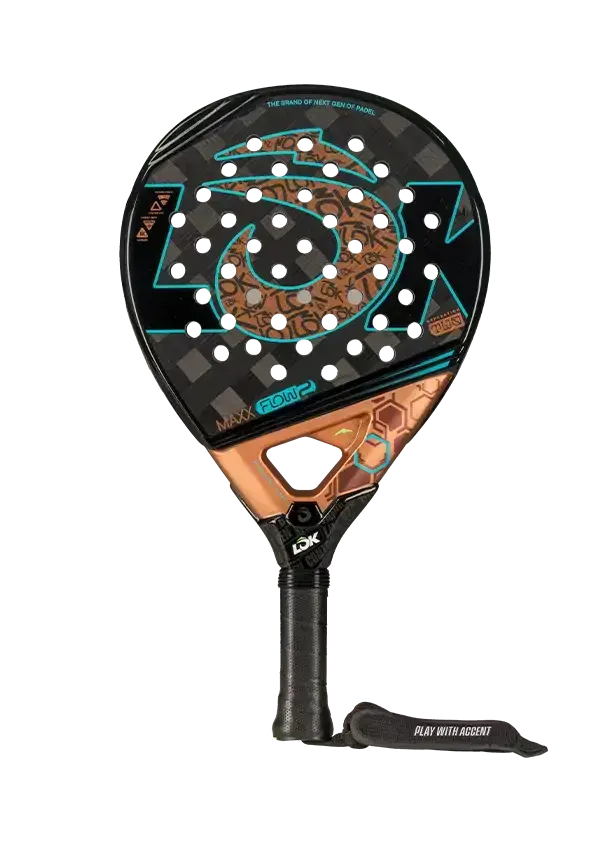
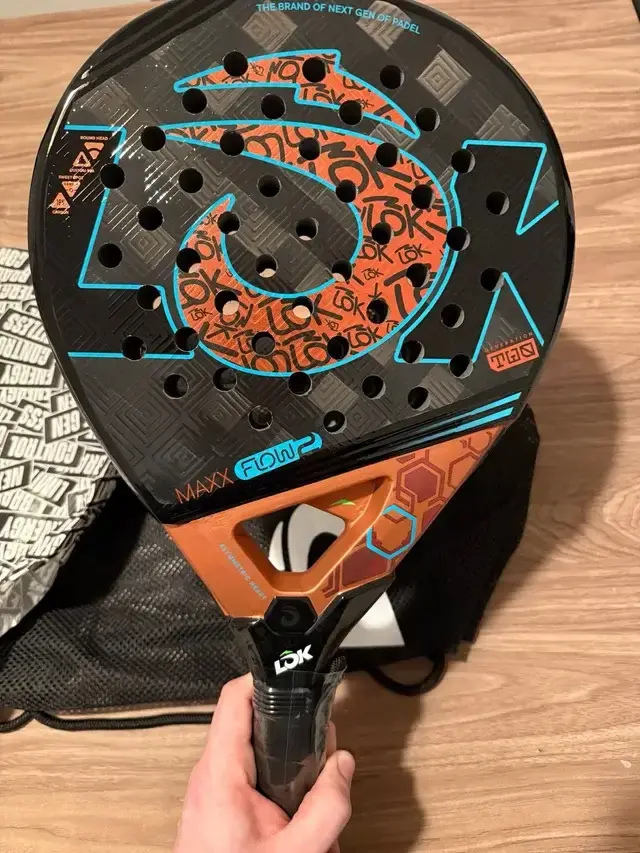
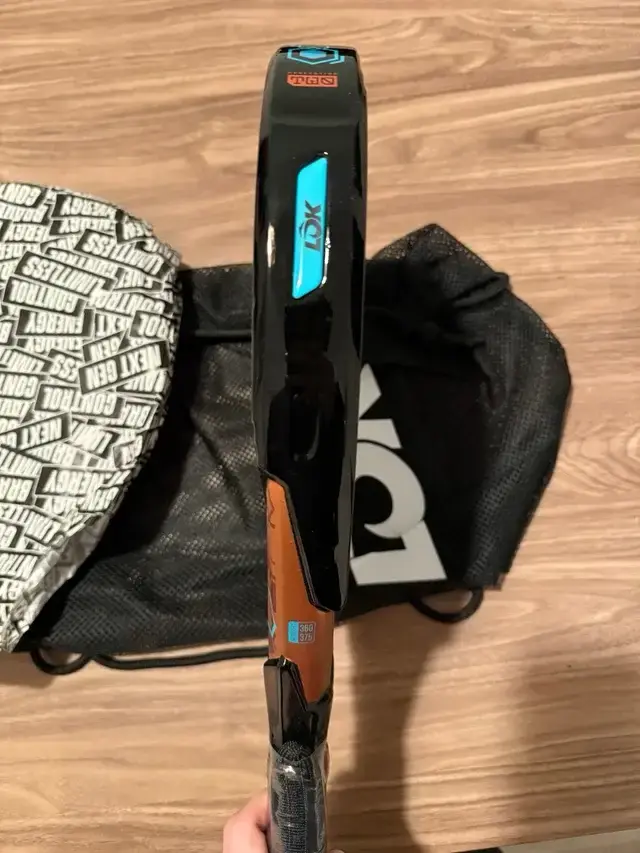
Version and lineup identification
The Maxx Flow Gen 2 2026 sits within LOK's technical performance range, positioned below the attack-oriented Maxx Hype series but above entry-level offerings. This represents the second iteration of the Flow mold, distinguished from the Gen 1 primarily through face material upgrades and refined EVA density tuning. The model coexists with other 2026 LOK releases including the Maxx Hype Gen 2 (attack diamond with 12K carbon, scored 75/100 in our testing) and represents Bea Caldera's current playing preference, though it does not carry signature branding or player-specific customization beyond aesthetic design elements. The Gen 2 designation reflects evolutionary rather than revolutionary changes, focusing on incremental improvements to feel and durability rather than fundamental geometry shifts.
Technical specifications
| Spec | Value | What it means |
|---|---|---|
| Shape | Hybrid / round-leaning geometry | Control-focused, wide sweet spot |
| Thickness | 38 mm | Thicker = more power and rebound |
| Weight (claimed) | 360–375 g | Heavier = more stability, lighter = more speed |
| Weight (tested samples) | 350–365 g range reported across multiple units | Heavier = more stability, lighter = more speed |
| Balance | 26.0–26.1 cm (medium, slightly head-light to neutral) | Versatile, suits all styles |
| Face material | 18K carbon fiber | Stiff, durable, lively response |
| Core | Custom EVA (memory foam construction, intermediate-firm density) | Good balance of control and feel |
| Surface texture | Rough / textured finish (spin-oriented) | Determines feel and response |
| Frame | Full carbon construction | Structural rigidity and durability |
| Core design | Asymmetric bridge geometry with integrated Vibration Groove system | Affects rebound and comfort |
| Handle | Standard 11 cm grip circumference | Listed spec to confirm during demo: Standard 11 cm grip circumference. |
| Wrist strap | Rope-style cord with padded wristband | Listed spec to confirm during demo: Rope-style cord with padded wristband. |
| Target player level | Intermediate to advanced | Ideal skill level for this racket |
| Playing style | Control-oriented hybrid with defensive capabilities | Listed spec to confirm during demo: Control-oriented hybrid with defensive capabilities. |
Construction and materials
The Maxx Flow Gen 2 employs 18K carbon fiber across both face planes, representing a mid-point between the ultra-responsive 12K weaves and the more forgiving 24K alternatives. This carbon density delivers a balance of rebound speed and dwell time, allowing the ball to compress slightly into the face before release while maintaining enough structural rigidity for directional consistency. The 18K specification indicates approximately 18,000 carbon filaments per square inch of weave, creating a face that flexes minimally under high-impact loads while still providing enough give to generate controlled spin on loaded contact. The faces measure standard 38 mm thickness with no tapered edge profiling, maintaining consistent rebound characteristics across the entire hitting surface.
The Custom EVA core represents LOK's proprietary foam formulation, positioned in the intermediate-firm density range. This material sits between traditional soft EVA (used in comfort-oriented models) and hard EVA (found in power diamonds), providing moderate resistance during ball compression with relatively quick energy return. The "memory" designation suggests elastic recovery properties that help the core maintain dimensional stability across temperature fluctuations, though this remains a marketing claim rather than independently verified performance characteristic. The core extends fully to the asymmetric bridge geometry, eliminating dead zones where frame and core materials meet.
The asymmetric core design features offset bridge openings on each face, creating an unconventional visual profile that LOK claims enhances torsional stability and vibration dampening. The Vibration Groove system consists of a recessed channel integrated into the upper bridge area, designed to interrupt vibration transmission from impact point to handle. The full carbon frame construction maintains 38 mm profile thickness throughout, with no visible reinforcement bands or structural ribs beyond the standard perimeter tubing. Build quality appears consistent across production units based on reported specifications, though cosmetic finish durability remains a noted concern based on user feedback from previous LOK releases.
Shape and mould behavior
The Maxx Flow Gen 2 utilizes a hybrid geometry that leans closer to round than teardrop in practical hitting area distribution. The sweet spot positions approximately 8–10 cm from the top edge, centered laterally on the face with minimal offset toward either side. This placement favors consistency over maximum power generation, creating a usability window that rewards players who maintain compact swing paths and prioritize contact quality over swing speed. The shape produces a moment of inertia that falls between pure round control molds and aggressive diamonds, requiring less effort to accelerate through contact zones than head-heavy alternatives while still providing enough mass distribution for stable impact absorption.
The balance point at 26.0–26.1 cm creates a slightly head-light to neutral feel in hand, with the majority of mass positioned below the geometric center. This distribution enhances maneuverability during rapid direction changes at net and facilitates quick recovery positioning during defensive sequences. The swing inertia remains moderate, allowing players to generate racket head speed without excessive physical effort while maintaining enough momentum for depth generation on full swings. The 360–365 g playing weight (including typical overgrip additions) positions the racket below the 370+ g range common in pro-level control models, making it accessible to players with moderate swing speeds who still require structural stability during high-pace exchanges.
The hybrid shape delivers its optimal performance window when used with controlled, technically sound strokes that emphasize placement over power. Players attempting to generate maximum pace through aggressive swing mechanics will find the sweet spot positioning and balance point less accommodating than dedicated attack diamonds. The geometry favors linear swing paths over extreme angles, rewarding players who focus on depth consistency and directional control rather than winners from defensive positions. The mold behavior remains predictable across different contact locations within the sweet spot boundaries, though off-center impacts toward the frame edges produce noticeable performance degradation compared to more forgiving round geometries.
Stiffness, feel, and comfort
The Maxx Flow Gen 2 registers in the intermediate-firm range when measuring subjective stiffness during ball contact. The 18K carbon face and Custom EVA core combine to create a contact sensation that sits between soft hybrids like the Bullpadel Neuron (softer EVA formulations) and firm attack models like the Adidas Metalbone (harder face materials and denser cores). Players transitioning from fiberglass-faced control rackets will initially perceive the Maxx Flow Gen 2 as noticeably firmer, while those accustomed to 12K or 3K carbon diamonds will find the feel relatively cushioned. The intermediate positioning delivers enough feedback clarity to understand ball compression dynamics without transmitting excessive shock to the forearm and elbow joints.
The Custom EVA core provides moderate resistance during ball compression, creating a dwell time that extends approximately 20–30% longer than hard EVA alternatives while remaining significantly shorter than ultra-soft foam constructions. This compression duration allows players to sense ball contact and make micro-adjustments to racket face angle during the contact window, though it does not provide the extended "trampoline" effect found in softer control models. The rebound behavior delivers relatively linear energy return across different swing speeds, meaning players must generate their own pace rather than relying on stored energy from core compression. This characteristic rewards technically sound strokes with consistent depth but punishes abbreviated or mistimed swings with noticeably shorter ball trajectories.
Comfort levels remain high throughout extended playing sessions, with the asymmetric core and Vibration Groove system effectively interrupting vibration transmission from impact point to handle. Players report minimal forearm fatigue during 90+ minute sessions, with the intermediate-firm density providing enough cushioning to protect joint structures without sacrificing response clarity. The rough surface texture creates slightly more friction during off-center contact compared to smooth finishes, potentially adding minor abrasion to the palm during mishits, though this remains well within acceptable parameters for textured rackets. The 11 cm handle circumference accommodates standard grip sizes without requiring significant tape buildup, maintaining comfortable hold through perspiration and grip pressure variations.
Sweet spot and forgiveness
The Maxx Flow Gen 2's sweet spot occupies the central region of the face, extending approximately 8–10 cm vertically from the top edge and spanning 10–12 cm horizontally at maximum width. This hitting area provides consistent rebound characteristics and minimal torsional deflection when contact occurs within its boundaries, delivering the control precision and power efficiency the racket was designed to produce. The sweet spot positioning favors technically proficient players who consistently find the center of the face, rewarding clean contact with predictable trajectory control and efficient energy transfer. The size falls into the moderate category for hybrid geometries, larger than compact attack diamonds but smaller than maximum-forgiveness round molds designed for developing players.
Off-center contact toward the upper frame edges produces noticeable ball retention and reduced rebound speed, with testers reporting the sensation of the ball "staying" in the face longer than expected. This characteristic becomes particularly evident during defensive retrievals where contact timing may be compromised, resulting in shots that land shorter than intended when struck outside the optimal hitting zone. The 18K carbon face provides some structural rigidity to minimize twist during off-center impacts, but the hybrid geometry creates leverage points where frame deflection becomes more pronounced. Lateral impacts toward the left or right edges generate moderate torsional instability, causing directional inconsistency when players fail to center the ball properly.
The asymmetric core design creates slight performance variations between the two face sides, with the bridge opening offset affecting rebound characteristics minimally but measurably. Players striking the ball directly over the bridge opening on either face report fractionally less stability compared to impacts that occur over solid core sections, though this difference remains subtle enough that most players will not consciously detect it during match play. The forgiveness window narrows considerably when attempting high-risk shots from defensive positions, where abbreviated swing preparation and compromised contact timing expose the racket's demand for technical precision. Players who regularly contact the ball outside the central sweet spot region will find other models with larger hitting areas and softer face materials more accommodating to inconsistent strike patterns.
Power and smash behavior
The Maxx Flow Gen 2 delivers moderate power output that requires proper technique and swing acceleration to generate significant pace. The intermediate-firm Custom EVA core provides limited stored energy during compression, meaning players must create their own power through racket head speed and weight transfer rather than relying on trampoline-like rebound assistance. The 18K carbon face contributes to this characteristic, offering enough structural rigidity to transfer swing energy efficiently without adding significant catapult effect during ball release. This combination rewards players with sound biomechanics and consistent swing paths while punishing those who rely on equipment assistance to generate depth from abbreviated preparations.
Maximum power ceiling reaches approximately 7.0/10 relative to the full spectrum of padel rackets, positioning the Maxx Flow Gen 2 well below dedicated attack diamonds but above pure control rounds. Players with strong swing mechanics can generate winner-level pace from positions inside the service line, particularly when contact occurs cleanly within the sweet spot boundaries and swing preparation allows full acceleration through the hitting zone. From positions behind the baseline, the same players will find the power output sufficient for consistent depth but lacking the extra margin to force defensive errors through pace alone. The 26.0–26.1 cm balance point limits swing momentum compared to head-heavy alternatives, requiring additional physical effort to achieve equivalent racket head speeds during overhead sequences.
Power accessibility sits higher at 7.5/10, reflecting the racket's ability to deliver its available power with reasonable technical demands. The moderate weight and neutral balance create manageable swing requirements that allow intermediate players to generate adequate pace without perfect preparation or timing. The intermediate-firm core provides enough rebound assistance to help players maintain consistent depth during extended rallies, though it stops short of offering the free power that characterizes softer, more assistance-oriented models. Smash behavior remains controlled rather than explosive, with the racket favoring placement precision over maximum velocity. Players attempting to generate extreme downward angles through aggressive overhead swings will find the rebound characteristics less accommodating than harder diamonds, while those focusing on directional control and consistent finishing will appreciate the predictable trajectory production.
Net performance under pace
The Maxx Flow Gen 2 demonstrates strong performance during net sequences, with the lightweight feel and responsive rebound characteristics facilitating quick reactions during high-pace exchanges. The 350–365 g playing weight allows rapid racket repositioning between volleys, enabling players to track ball trajectory changes and adjust face angles with minimal physical effort. The 26.0–26.1 cm balance point keeps the mass centered close to the hand, reducing rotational inertia during rapid direction changes and allowing players to transition smoothly between forehand and backhand volleys without re-gripping or adjusting hand position significantly.
The intermediate-firm EVA core provides enough resistance during compression to generate controlled rebound without excessive ball speed, creating a blocking sensation that favors touch and placement over aggressive counter-punching. Players can absorb pace from opponent smashes and redirect the ball with minimal swing preparation, though the firmness level requires slightly more active racket movement than softer alternatives to achieve equivalent depth control. The 18K carbon face delivers crisp feedback during contact, allowing players to sense ball compression duration and adjust face angle micro-adjustments for precise directional control. The rough surface texture aids spin generation during volley sequences where time permits slight brushing motions, though the intermediate-firm core limits maximum bite during rushed contact situations.
Fast exchange performance benefits from the racket's predictable rebound characteristics and stable frame construction. The asymmetric core and Vibration Groove system minimize energy loss during rapid-fire volleying, maintaining consistent response across multiple consecutive contacts without degradation from accumulated vibration or frame flex. The sweet spot positioning supports net play well, with the central location aligning naturally with the contact points typical during volley sequences. Players experience minimal performance drop-off when contact occurs slightly off-center during rushed exchanges, though the hybrid geometry still penalizes extreme mishits more severely than maximum-forgiveness round molds. The maneuverability advantage becomes most apparent during transition plays where players must move quickly from defensive positions at baseline to offensive positions at net, with the lightweight feel facilitating rapid court coverage without sacrificing stability during impact.
Off-center stability and torsional resistance
The Maxx Flow Gen 2 delivers moderate torsional stability when contact occurs outside the optimal sweet spot boundaries. The 18K carbon face provides structural rigidity that minimizes twist during off-center impacts within approximately 3–4 cm of the sweet spot center, maintaining directional consistency and depth control across this tolerance window. Impacts that occur beyond this range toward the upper or lateral frame edges produce measurably more frame deflection, resulting in directional inconsistency and reduced ball speed that becomes noticeable during match play. The hybrid geometry creates leverage points where force application at the frame extremities generates rotational moments that the frame structure cannot fully resist, causing the racket head to twist slightly in hand during severe mishits.
The asymmetric core design contributes to vibration dampening but creates slight performance asymmetry between the two face sides. The offset bridge openings affect structural continuity differently on each face, with impacts that occur directly over the bridge areas experiencing fractionally less support than those striking solid core sections. This difference remains subtle enough that most players will not consciously detect it, but precision-oriented competitors may notice slight variations in rebound consistency when alternating between faces during extended rallies. The full carbon frame construction maintains dimensional stability under load, preventing the flex-related instability that can affect rackets using softer frame materials or thinner wall construction.
Off-center contact toward the tip region produces the most noticeable performance degradation, with the extended distance from the balance point creating increased leverage that amplifies frame twist. Players who regularly make contact in the upper 20% of the face area will experience directional unpredictability and reduced power efficiency, particularly during defensive situations where swing preparation time is limited. Lateral mishits toward the left or right edges generate moderate twist but remain more manageable than tip contacts, with the shorter lever arm reducing rotational forces. The rough surface texture provides slight additional friction during off-center contact that can help maintain some directional control, though this benefit remains minor compared to the fundamental geometry effects. Players seeking maximum forgiveness during inconsistent contact patterns should consider round geometries with lower balance points and softer face materials that provide more accommodating response across wider hitting areas.
Practical on-court takeaways
The Maxx Flow Gen 2 functions optimally for technically proficient players who prioritize placement precision and consistency over maximum power generation. The racket rewards clean swing mechanics with predictable trajectory control and efficient energy transfer, making it particularly effective for players who have developed reliable contact patterns and can consistently find the sweet spot center. The intermediate-firm feel provides enough feedback clarity to support technical refinement, allowing players to sense compression dynamics and make stroke adjustments based on tactile information rather than relying solely on visual ball flight observation.
The control-oriented design makes the racket well-suited for baseline grinding scenarios where depth consistency and directional precision determine point outcomes. Players can maintain rally pressure through accurate placement without requiring extreme pace, using the racket's predictable rebound to construct points methodically rather than seeking immediate winners through aggressive shot selection. The moderate power ceiling encourages disciplined shot selection, as the equipment does not provide enough free power to compensate for poor positioning or abbreviated preparation. This characteristic can improve decision-making over time, as players learn to recognize genuine scoring opportunities rather than attempting low-percentage winners from disadvantageous court positions.
The lightweight feel and neutral balance facilitate extended playing sessions without excessive physical fatigue, making the racket appropriate for training environments where volume accumulation takes priority over maximum intensity. The high comfort level protects joint structures during repetitive loading, reducing injury risk for players managing existing arm or shoulder sensitivities. The maneuverability advantage becomes most apparent during defensive sequences and transition plays where rapid repositioning determines whether players can maintain offensive pressure or must reset to neutral court positions.
The €270–300 retail positioning creates value concerns relative to established competitors offering similar performance profiles at lower price points. The NOX AT10 Luxury Genius 18K delivers comparable control precision and comfort characteristics at approximately €240–260, while the Bullpadel Neuron 02 Edge provides slightly softer feel with equivalent sweet spot dimensions at €250–280 depending on retailer. The LOK premium reflects brand positioning and aesthetic design rather than measurable performance advantages, requiring buyers to prioritize visual appeal and brand affinity over pure cost-per-performance metrics. Durability concerns based on previous LOK models add uncertainty to long-term value retention, though no widespread structural failures have been reported from Gen 2 production units to date.
Comparison within the Lok lineup
The Maxx Flow Gen 2 occupies the control-hybrid position within LOK's 2026 technical range, sitting below the attack-oriented Maxx Hype Gen 2 in overall aggression level while maintaining similar build quality and material specifications. The primary distinctions between these two models reflect geometry choices and core density tuning rather than fundamental construction philosophy differences.
The Maxx Hype Gen 2 provides approximately 1.5–2.0 points higher power ceiling in exchange for reduced sweet spot size and increased swing inertia, making it more appropriate for players with established offensive games who can consistently generate racket head speed through proper weight transfer. The Maxx Flow Gen 2 delivers easier maneuverability and more forgiving contact requirements, trading maximum power potential for broader usability across different playing situations. The face material difference between 18K (Flow) and 12K (Hype) reflects this positioning, with the Flow's higher carbon count creating slightly softer feel and more cushioned contact sensation compared to the Hype's more responsive but firmer 12K construction.
Both models share the asymmetric core design and Vibration Groove system, providing equivalent vibration dampening and comfort levels during extended play. The weight ranges overlap completely, meaning selection between the two models depends entirely on shape preference and desired balance characteristics rather than overall mass considerations. Players seeking maximum control and consistency should favor the Flow's hybrid geometry, while those prioritizing offensive capability and spin generation will find the Hype's diamond shape better aligned with aggressive playing styles.
Comparison with other brands
The Maxx Flow Gen 2 competes directly with established control hybrids from major manufacturers, facing particularly strong competition from NOX's AT10 range and Bullpadel's Neuron series. These comparisons reveal the LOK's positioning relative to market benchmarks in the €250–300 premium control segment.
The NOX AT10 18K represents the strongest direct competitor, offering superior sweet spot dimensions and comfort levels through its MLD Black EVA core while maintaining identical face material specifications. The NOX justifies its similar pricing through demonstrably higher performance scores across multiple categories, though the LOK counters with distinctive aesthetic design that appeals to players prioritizing visual differentiation. The Bullpadel Neuron 02 Edge provides more forgiving performance characteristics through softer core construction, making it more accessible to developing players while sacrificing some of the crisp feedback that technical competitors prefer.
The Maxx Flow Gen 2 distinguishes itself primarily through its asymmetric core design and brand-specific aesthetic language, as the fundamental performance characteristics fall within the range established by existing market offerings. Players seeking maximum performance-per-euro should favor the NOX or Bullpadel alternatives, while those attracted to LOK's distinctive visual identity and willing to accept marginal performance compromises relative to benchmark competitors will find the Maxx Flow Gen 2 delivers adequate on-court capability to justify the premium positioning.
Technical positioning
The Maxx Flow Gen 2 occupies the technical control-hybrid category, designed for intermediate to advanced players who have developed reliable swing mechanics and prioritize placement precision over maximum power generation. The racket's performance profile aligns most closely with baseline grinding play styles that emphasize consistency and depth control, making it particularly effective for players who construct points through accurate placement rather than seeking immediate winners through aggressive shot-making. The intermediate-firm feel and moderate power ceiling create a playing experience that rewards technical refinement while punishing poor preparation or inconsistent contact patterns.
The €270–300 retail positioning places the racket in direct competition with established premium offerings from NOX, Bullpadel, and other major manufacturers who deliver equivalent or superior performance characteristics at comparable or lower price points. The LOK premium reflects brand positioning and aesthetic design rather than measurable performance advantages, requiring buyers to prioritize visual appeal over pure cost-efficiency considerations. The durability concerns inherited from previous LOK models add uncertainty to long-term value retention, though current Gen 2 production appears to have addressed some of the cosmetic finish issues reported from earlier releases.
The racket functions best as a primary playing tool for technical competitors with established stroke production who can consistently find the sweet spot center, or as a control-focused alternative for attack-oriented players seeking more forgiving characteristics during training sessions or recreational play. The hybrid geometry and intermediate-firm feel create a transitional option for players developing from round control molds toward more aggressive teardrop or diamond shapes, providing a stepping stone that maintains some forgiveness while introducing firmer rebound characteristics. Players seeking maximum performance value should evaluate competing models from NOX and Bullpadel that deliver higher scores across multiple categories at similar or lower prices, while those attracted to LOK's distinctive aesthetic language will find adequate on-court capability to support the brand premium.
Who should choose it, avoid it, and compare it with
- Choose it if you are among players who value control, clean defense, and predictable depth more than raw finishing power.
- Avoid it if you are among players who want maximum smash output or a very aggressive high-balance feel.
- On court, stress-test off-center stability and spin and slice work before trusting the total 75/100 score.
Court test notes
The review scorecard points to handling speed and directional control as the main strengths. During a demo, test those strengths with real match patterns: return pressure, glass recovery, volleys under pace, and one full service game where fatigue starts to show.
Compare with
Common questions
The Maxx Flow Gen 2 targets the upper end of intermediate players through advanced competitors, requiring reasonably developed swing mechanics to optimize its performance characteristics. The 360–365 g weight with 26.0–26.1 cm balance creates manageable physical demands that most intermediate players can handle, but the centered sweet spot and intermediate-firm feel punish inconsistent contact patterns more severely than beginner-oriented rounds with softer constructions. Players who have progressed beyond pure beginner stages and can reliably make contact within the central face region will find the racket accessible and rewarding. Those still developing consistent strike patterns should consider more forgiving alternatives like the Bullpadel Neuron 02 Edge (larger sweet spot, softer EVA) or NOX ML10 Ventus Control 3K (round geometry, more cushioned feel) until their contact consistency improves enough to capitalize on the Maxx Flow Gen 2's precision-oriented design.
The Gen 2 iteration introduces 18K carbon faces (upgraded from the Gen 1's material composition) and refined Custom EVA core tuning while maintaining the distinctive asymmetric bridge geometry and overall hybrid shape philosophy. The face material upgrade creates slightly firmer contact sensation with improved durability compared to the original version, though testers familiar with both generations report the difference remains subtle rather than transformative. The core density appears marginally firmer in Gen 2 production units based on community feedback, creating fractionally more responsive rebound at the expense of minimal comfort reduction, though this variation may reflect individual unit tolerances rather than systematic design changes. The aesthetic design receives complete refresh with new colorways and graphics, while the fundamental playing characteristics remain evolutionary rather than revolutionary. Players satisfied with the Gen 1 will find familiar performance in the Gen 2 with incremental refinements, while those seeking dramatic changes should evaluate alternative models rather than expecting substantial transformation within the same product line.
The retail Maxx Flow Gen 2 represents Bea Caldera's preferred model aesthetically but does not carry signature designation or player-specific customization in its standard production form. Professional players typically customize retail models through weight modifications (lead tape application at various frame positions), balance adjustments (counterweights in handle), grip size modifications, and string tension selections that differ from factory specifications. Caldera's actual match setup likely includes strategic weight additions to achieve her preferred swing characteristics and may utilize specialized string configurations not replicated in standard retail versions. The retail model provides the base platform Caldera endorses but should not be expected to deliver identical playing characteristics to her personally customized equipment without similar modifications. Players seeking to replicate professional setups should consult with experienced technicians who can assess individual physical characteristics and playing styles rather than assuming retail equipment matches tour-level configurations directly.
The Maxx Flow Gen 2 delivers high comfort levels through its asymmetric core design and Vibration Groove system, making it appropriate for players managing minor arm sensitivities who require joint protection during extended play. The 8.0/10 comfort score reflects effective vibration dampening and moderate impact shock that minimizes cumulative loading on forearm and elbow structures. However, the intermediate-firm EVA density places it in the middle of the comfort spectrum rather than at the ultra-soft extreme occupied by maximum-cushioning models specifically designed for severe joint conditions. Players with significant elbow issues (diagnosed tennis elbow/golfer's elbow requiring medical treatment) should prioritize softer alternatives like the Bullpadel Neuron 02 Edge (MultiEVA construction) or NOX ML10 Ventus Control 3K (round geometry with softer core) that provide additional impact absorption beyond the Maxx Flow Gen 2's capabilities. Those with mild discomfort or preventive concerns will find the comfort level adequate for regular play without excessive risk, particularly when combined with proper string tension management (staying in the 5.5–6.5 kg range) and appropriate grip size selection to minimize grip pressure requirements.
The asymmetric core creates offset bridge openings on each face that LOK claims enhance torsional stability and vibration dampening, though the practical performance impact remains subtle rather than transformative during typical playing conditions. The offset design does interrupt vibration transmission patterns differently than symmetric constructions, contributing to the racket's excellent comfort scores through altered resonance frequencies. However, testers report slight performance variations between the two faces when contact occurs directly over bridge opening areas versus solid core sections, creating fractional differences in stability and rebound consistency that precision-oriented players may detect. The asymmetric design also creates distinctive aesthetic differentiation that appeals to players seeking visual uniqueness, though this benefit operates independently from functional performance considerations. The overall impact on playing characteristics remains incremental rather than revolutionary, with the comfort and vibration control benefits proving more measurable than any torsional stability advantages. Players should not expect dramatic performance transformations from the asymmetric design but can appreciate the incremental refinements to feel and feedback characteristics it provides within the broader context of the racket's hybrid control positioning.
Surface texture durability represents a legitimate concern based on reported experiences with previous LOK models, though comprehensive long-term data from Gen 2 production units remains limited given the recent release timing. Rough texture finishes typically experience gradual smoothing through repeated ball contact and environmental exposure (UV degradation, temperature cycling), with more aggressive 3D patterns showing faster degradation rates than subtle texture applications. The Maxx Flow Gen 2's texture appears moderately aggressive rather than extreme, suggesting reasonable durability expectations within the 80–120 playing hour range before noticeable smoothing occurs. However, LOK's historical challenges with cosmetic finish durability create uncertainty around whether the texture bonding and substrate adhesion will match the longevity standards set by established brands like NOX and Bullpadel. Players should anticipate some texture degradation over the racket's functional lifespan but can maintain spin capability through proper string maintenance (regular restringing to preserve string texture bite) and technique emphasis that maximizes swing path and face angle contributions to rotation generation. The texture provides supplementary spin assistance rather than primary rotation generation, meaning degradation will reduce performance incrementally rather than eliminating spin capability entirely.
Technical performance score
Ten categories, each 0–10. Methodology →
- Maneuverability and handling8
- Net performance under pace7.5
- Control and placement precision8
- Defensive output and depth access7.5
- Off-center stability and torsional resistance7
- Sweet spot usability7.5
- Spin generation potential7
- Power ceiling7
- Power accessibility7.5
- Comfort and impact feedback8
Final verdict — LOK Maxx Flow Gen 2 scores 75/100. A strong performer with strong control and placement precision, a solid choice for intermediate to advanced players.