HEAD Bolt 2026 Review — 72/100
 Methodology
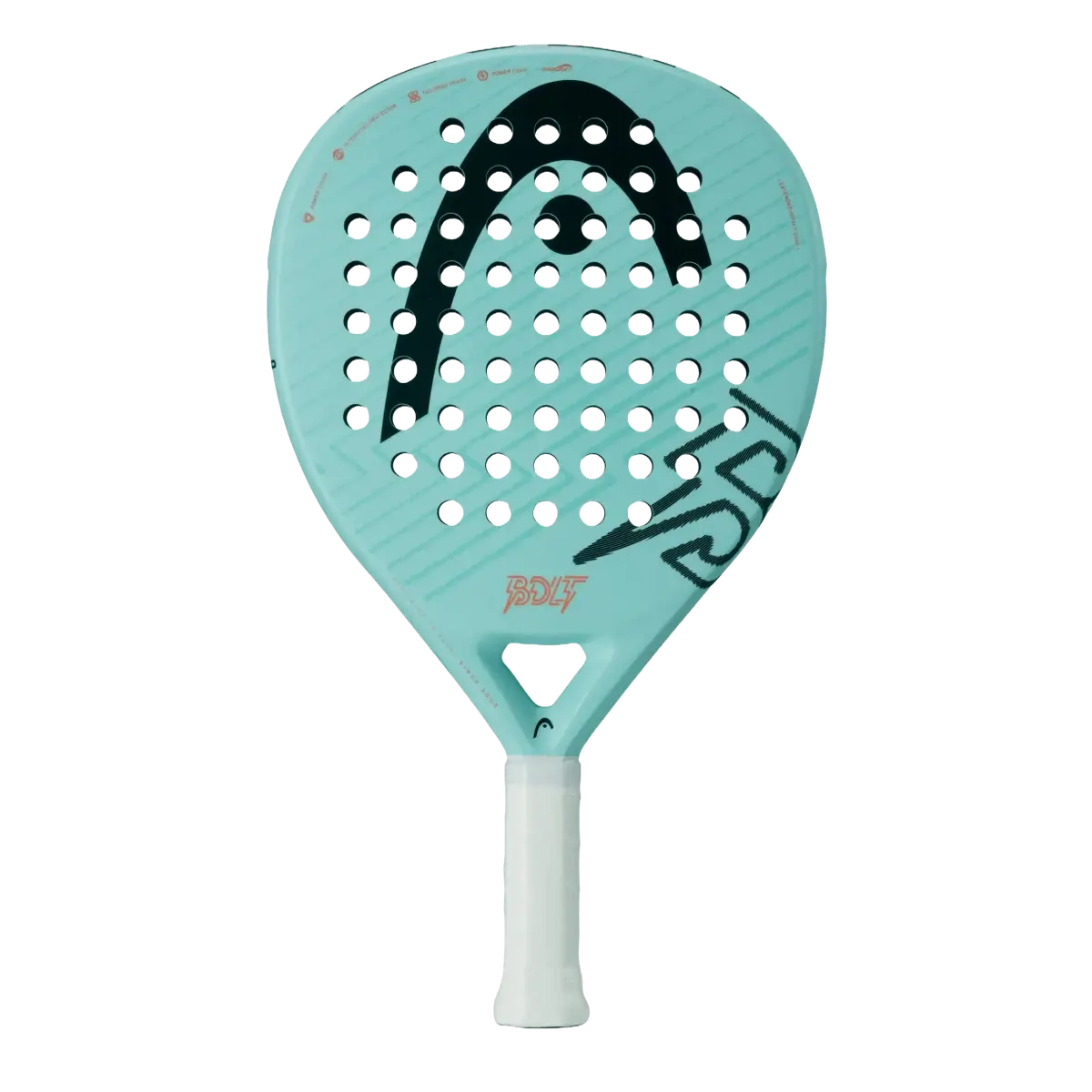
The HEAD Bolt 2026 is an accessible adult teardrop for casual players who are beginning to compete at club level. Its construction is straightforward: 352 g nominal weight, 26.5 cm balance, fiberglass faces, Power FOAM and a smooth No Roughness surface. HEAD classifies the impact as soft.
This combination favors useful depth and manageable handling rather than high-speed rigidity. The face rebounds easily at low and medium effort, the balance stays neutral enough for defense, and the teardrop mould gives more overhead leverage than a round beginner racket. The limitations appear when the ball arrives hard or the swing reaches full speed: the soft face is less exact, the smooth surface adds little spin and passive stability is only moderate.
The fiberglass face and Power FOAM make compact contact productive, while the 352 g setup keeps preparation manageable. That is useful for building rallies and lifting the ball from defence. The smooth surface and more yielding response are less convincing for heavy spin, maximum finishing pace or a rigid block against hard incoming balls.
Version and lineup identification
This is the 2026 HEAD Bolt, product code 226206. Red/black and white/grey are colorways of the same technical model. I would choose between them by preference rather than expect a playing difference from the color.
Bolt sits in HEAD’s recreational range rather than the performance families. Its core specifications are almost identical to Vibe 2026, with only a nominal 2 g difference. The two identities remain separate, but that weight gap is too small to justify calling one materially faster, harder or more powerful.
HEAD Bolt — Technical specifications
The handle length is listed at 12 cm.
Construction and materials
The Bolt pairs fiberglass faces with Power FOAM. In this racket, the combination gives the soft, lively response that helps an ordinary compact stroke produce useful depth. The trade-off appears as pace rises: accessibility is stronger than the precise, rigid response a more demanding player may want.
The face is smooth, with no sand finish or raised 3D texture. That keeps expectations for surface-assisted spin modest. I would assess the Bolt as this complete recreational package rather than infer its high-speed precision from the foam name or assume an undeclared frame laminate.
How heavy the racket feels and where the mass sits.
Balance point is shown from the available source evidence.
- Balance point26.5 cm24.5 cmavg 26 cm27.5 cmNeutral balance
- Static weight352 g340 gavg 365 g390 g
- Swing weight128.4 kg·cm² estimated110typical 128150
- Twist weight14.9 kg·cm² estimated11typical 1416
Shape and mould behavior
The teardrop mould places the usable contact zone around the center and slightly above it. Compared with a round beginner racket, the Bolt gives more leverage through overheads and attacking drives. Compared with a compact diamond, it keeps a broader central margin and lower timing demand.
At a nominal 352 g and a listed 26.5 cm balance, the Bolt is manageable to reposition for an adult racket. That is the practical benefit for defense and transitions. The mass-and-balance specification should not be mistaken for a measured swingweight or a guarantee that every individual setup moves identically.
Where this racket sits for stiffness and how easily the face gives power.
BoltStiffness, feel and comfort
Impact is soft and elastic. The fiberglass face holds the ball slightly longer than a firm carbon layer, and Power FOAM prevents that softness from becoming muted at normal speed. Beginners receive easy rebound without a sharp or demanding contact.
Comfort is good for the intended player. The mass is manageable, the response is not rigid and the racket does not require constant full acceleration. Players who prefer a crisp, immediate carbon feedback will find it vague rather than comfortable.
Our scores against every racket we have reviewed.
- Comfort8 /100avg 7.3110Above average
- Spin5 /100avg 7.2210Below average
Sweet spot and forgiveness
The sweet spot is practical and moderately broad. Central and near-central contact keeps enough depth for rally play, and the teardrop shape does not punish lower contact as severely as a top-heavy diamond. This is appropriate for a player still making contact more consistent.
Forgiveness declines on the outer face. The soft construction can keep a mishit comfortable while still losing direction or rotating under pace. Bolt protects ordinary recreational errors; it does not provide the rigid off-center response of a heavier carbon racket.
Sweet spot- Core zone 7.5/10
- Shape Teardrop
- Stability 6.5/10
Approximate high-tolerance zone for this mould and core.
Power and smash behavior
Easy power is one of the stronger attributes. Power FOAM and fiberglass generate useful rebound from compact preparation, and the teardrop mould helps the player develop controlled bandejas and smashes without forcing the head upward.
Maximum power is limited. A full-speed strike compresses the soft face earlier and lacks the dense transfer of Extreme Team, Coello Team or a performance carbon frame. Bolt can finish a short ball with correct technique, but it is not designed around x3, x4 or heavy flat-smash production.
Net performance under pace
At the net, 352 g and mid balance make preparation relatively quick. The racket is easy to present for the first volley, and Power FOAM supplies depth when the swing remains short. Soft contact also helps absorb moderate incoming pace.
The compromise arrives in fast exchanges. Punch volleys are less exact, and hard blocks require active stabilization because fiberglass does not hold its line like a rigid carbon face. Bolt is effective at recreational tempo rather than optimized for tournament counter-volley pressure.
Spin generation
No Roughness means there is no mechanical texture to grip the ball. Slice serve, bandeja and Vibora rotation depend on technique, contact angle and the dwell time created by the soft face.
The racket can still produce functional spin, especially at moderate pace, but it does not amplify it. A player whose attack depends on heavy kick or sharply sliced volleys should choose a textured alternative.
Defensive output and depth
Defense is accessible. The weight and balance let the player lower the racket quickly after the glass, while Power FOAM helps compact lobs and resets travel. The soft face also reduces the penalty for a slightly late contact.
The racket is less convincing when it must absorb heavy pace passively. The player needs a stable hand and a clean central contact to preserve depth. Bolt provides help with preparation and rebound, not the mass of a defensive block specialist.
Off-center stability
Moderate misses remain playable, with adult weight and a usable central contact zone. That tolerance is different from the ability to keep the face steady against a hard lateral impact.
Hard lateral impact exposes the soft construction. The face can rotate and the launch becomes less exact even when the ball still leaves comfortably. Stability is sufficient for casual and developing-club pace, not a defining strength.
Practical on-court takeaways
Choose Bolt if you are moving from occasional play into regular club sessions and want an adult racket that creates depth without demanding a rigid carbon swing. It supports basic defense, transitions and overhead development without feeling excessively heavy.
Think twice if your game already relies on aggressive spin, hard counter-volleys or full-speed finishing. At that stage, the Bolt’s easy response becomes a ceiling rather than an advantage.
Comparison within the HEAD lineup
Vibe 2026 publishes the same shape, balance, face, core, surface and soft classification, with a nominal weight only 2 g lower. That difference is too small to support a confident performance hierarchy; fit and color are more important.
Coello Vibe adds more head presence and an explicitly large sweet spot, producing stronger overhead leverage. Extreme Team keeps fiberglass and Power FOAM but moves into a more attacking diamond role with greater stability and demand. Gravity Team Light is rounder, lighter and more control-focused.
Lineup comparison
HEAD Bolt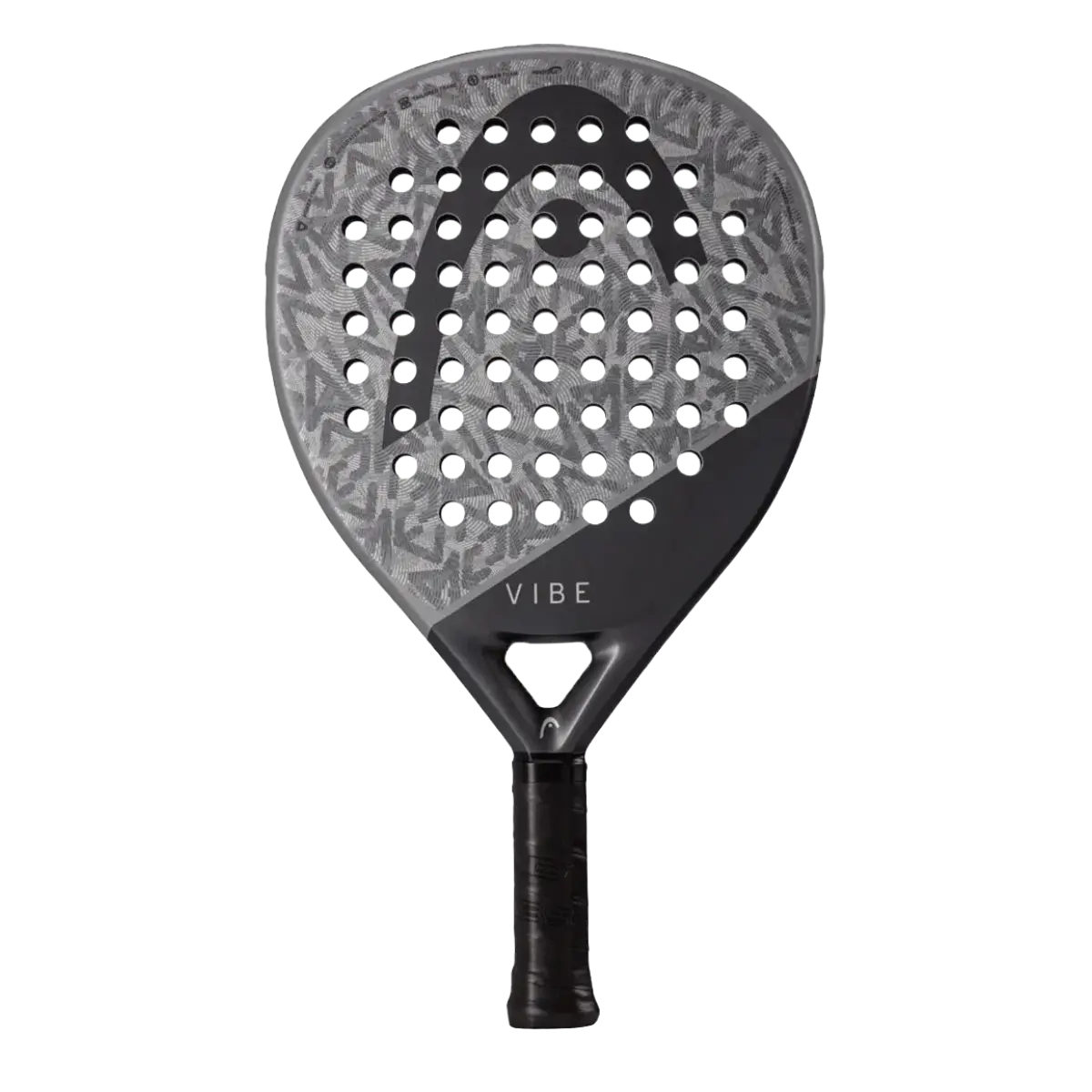 HEAD Vibe
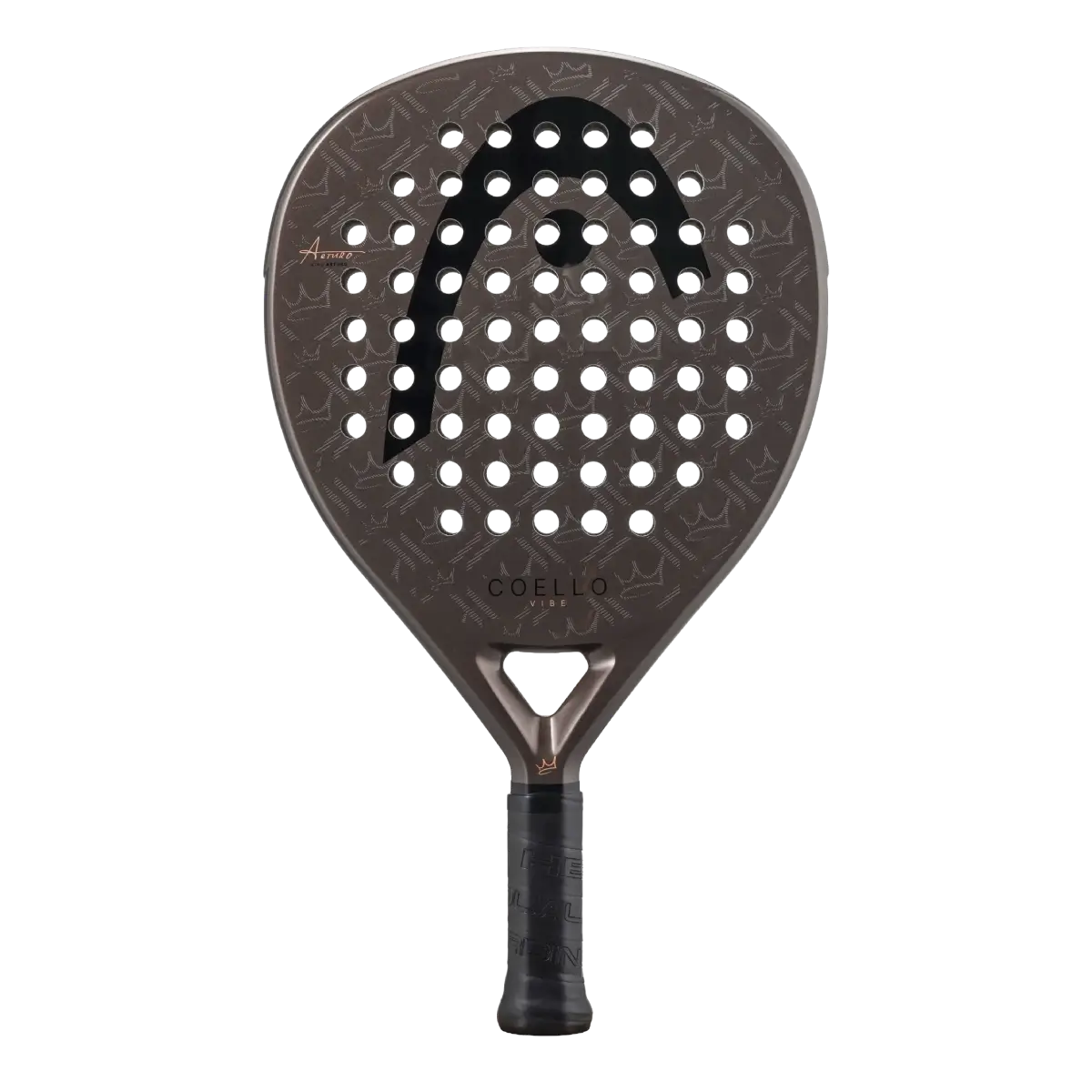 HEAD Coello Vibe
Comparison with other brands
Babolat Air Origin is another accessible teardrop with fiberglass and light adult mass. StarVie Polaris is another alternative mentioned in this price class, but I would not make its surface finish the deciding advantage without establishing the exact version. Adidas Arrow Hit is a more substantial adult comparison, while Dunlop FX Lite shifts the choice toward a higher attacking ceiling.
Bolt remains the simple option when easy rebound and manageable handling matter more than surface technology or a demanding performance response. The meaningful comparison is what extra demand you are willing to accept, not the assumption that a carbon face must be more precise on every shot.
72HeadHEAD BoltTeardropShape352 gWeight range26.5 cmBalance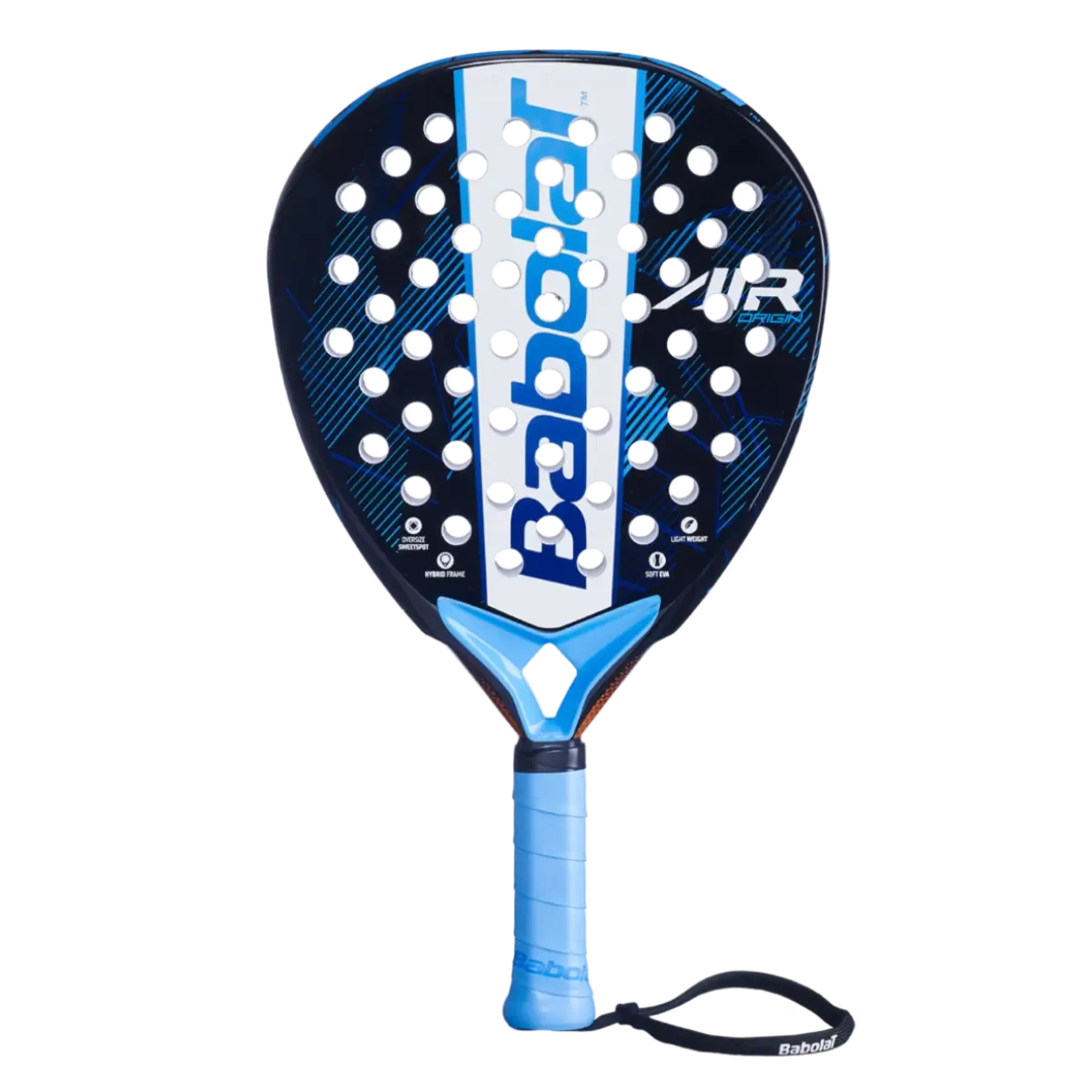 66BabolatBabolat Air OriginTeardropShape335–355 gWeight range26.5 cmBalance
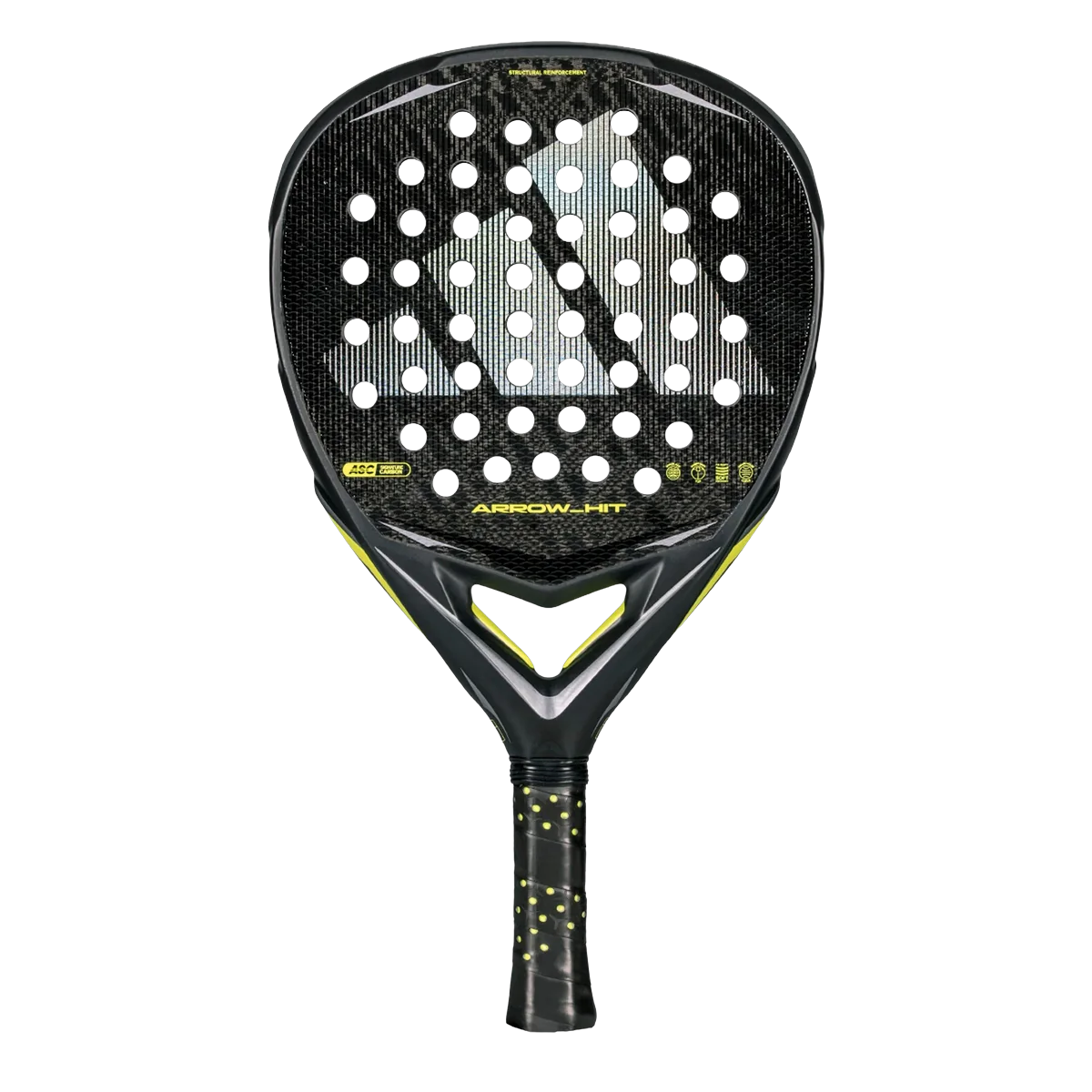 68AdidasAdidas Arrow Hit 2026TeardropShape360–375 gWeight range≈25.8 cmBalance
Technical positioning and fit
Best for: Casual adults and developing club players who want a soft teardrop, easy depth and manageable all-court handling.
Choose it if: You need an adult racket that helps the ball travel without a full-speed swing.
Think twice if: You want rough-surface spin, crisp carbon precision or strong passive stability against pace.
Not best for: Advanced attackers, spin specialists, or players already comfortable with a firmer 360–370 g performance racket.
Solid shape = this racket.Dashed outline = average of every racket we have reviewed.
HEAD Bolt
Specifications
- Weight range
- 352 g
- Balance
- 26.5 cm
- Thickness
- 38 mm
- Shape
- Teardrop
- Face material
- Fiberglass
- Core
- Power FOAM
Common questions
It is designed for casual adults and developing players who are beginning to compete regularly at club level.
The nominal weight is 352 g, with a 26.5 cm balance point.
Yes. The soft fiberglass face, Power FOAM and manageable balance make depth and contact easier than on a rigid performance racket.
Their core specifications are almost identical. Choose by fit, color and individual sample weight rather than expecting a large technical performance difference.
No. It uses No Roughness, so spin depends mainly on technique and racket-head speed.
It provides good easy power at low and medium effort. Its maximum power and high-speed precision remain moderate.
Price alert
We check prices when we update our offers. Get one email when a verified price is below your threshold.
Current verified price: €89.95 at Padel Market.
Player feedback
Player feedback is separate from our editorial review. Individual votes stay private — only the aggregate is published.
Thank you — your feedback is saved. You can revise it any time with Vote.
No player votes yet.
Questions & answers
No questions yet.