Varlion LW 8.8 Orquidea 2024/2025 Review
 Methodology
The Varlion LW 8.8 Orquidea 2024/2025 is a soft lightweight control racket for beginners and improving intermediates. Its 340-355 g range, mid-low balance, round-class LW head and Soft Touch core make it easy to prepare and comfortable at compact swing speeds.
The strongest areas are defense, maneuverability and easy depth. The face compresses readily, the central contact window is broad, and the low static range helps the player organize lobs and resets without forcing a long motion.
The same construction limits advanced performance. The smooth face provides little texture-assisted spin, the soft response loses precision under full acceleration, and low mass offers modest resistance against heavy incoming pace. Orquidea is built around accessibility rather than maximum output.
Version and lineup identification
This review covers the official 2024/2025 Varlion LW 8.8 Orquidea, product reference RACK250026015 and EAN 8401012290168.
This is the 2024/2025 collection model, even when sold alongside newer products. It is not the standard 2025/2026 LW 8.8, which uses a different product reference. The Orquidea’s soft, developing-player response should be judged on this exact version rather than inferred from another LW model.
Orquidea is also separate from LW Rose Carbon Ti and older Violet versions. Similar color positioning does not establish the same materials, SKU or generation.
Varlion LW 8.8 Orquidea — Technical specifications
Construction and materials
The frame uses a bidirectional carbon-and-fiberglass tubular structure with a Hexagon perimeter. Fiberglass covers the hitting area and the heart receives carbon reinforcement, giving the lightweight chassis more support around the center.
A 38 mm low-hardness EVA core provides the Soft Touch response. The ball sits on the face slightly longer and leaves with useful pace at compact swing speeds, which is helpful while timing and face control are still developing.
VAR-FLEX epoxy binds the structure, a titanium-dioxide layer finishes the laminate, and Ergoholes distributes different hole sizes across the face. Handlesafety secures the wrist cord through both handle walls. The surface is smooth and no adhesive protector is supplied.
How heavy the racket feels and where the mass sits.
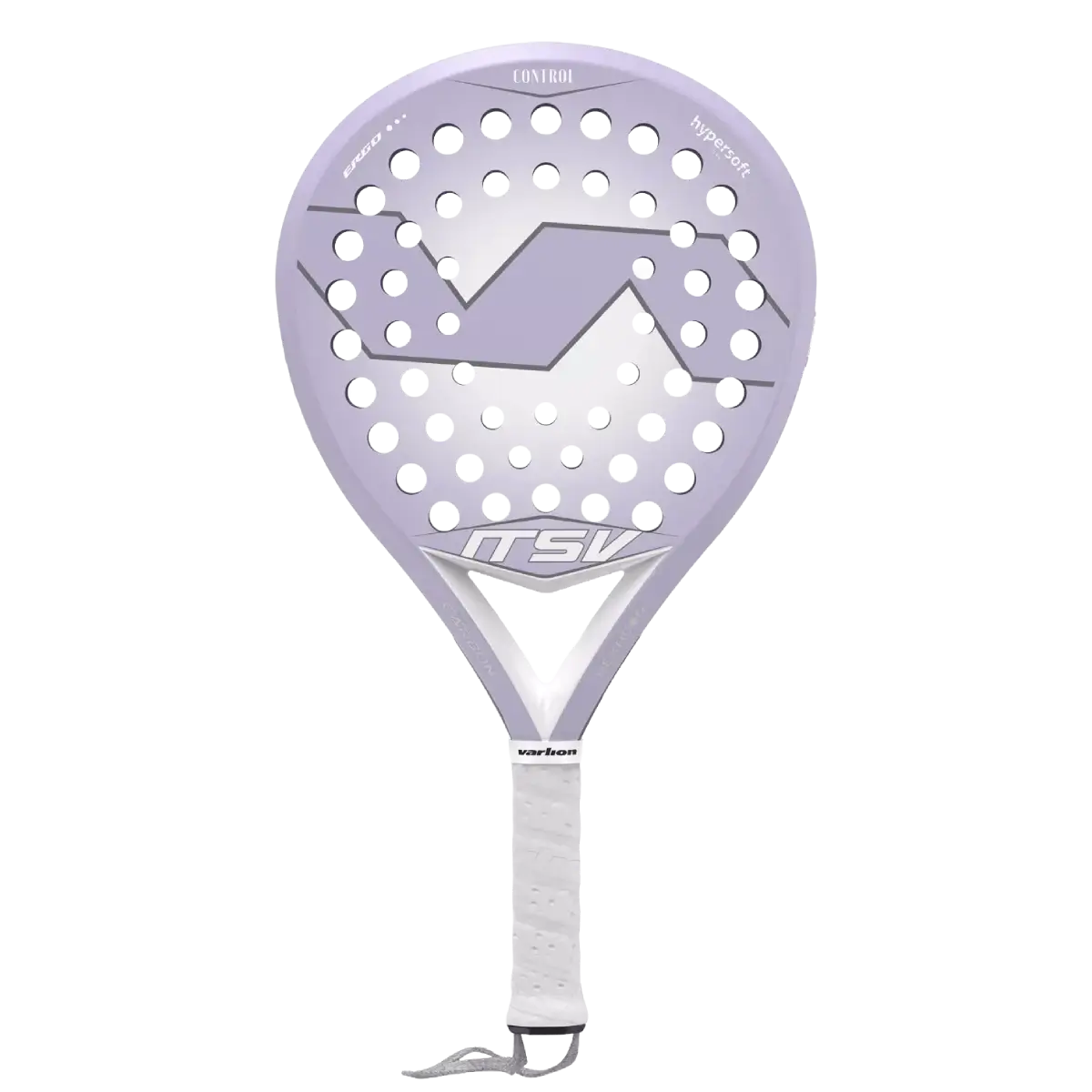
Balance point is shown from the available source evidence.
- Balance point≈25.2 cm24.5 cmavg 26 cm27.5 cmHead-light
- Static weight340–355 g340 gavg 365 g390 g
- Swing weight114.8 kg·cm² estimated110typical 128150
- Twist weight13.3 kg·cm² estimated11typical 1416
Shape and mould behavior
The official shape class is round. Varlion's LW outline includes a limited teardrop influence, but the useful contact zone remains central and control-led, rather than upper-face-led like the Bourne 8.8.
Mid-low balance and the 340-355 g range make quick repositioning the priority. That suits glass exits, compact volleys and short defensive preparations, where reaching the ball in shape matters more than carrying extra mass through it.
The balance is specified by class rather than an exact centimetre value. Its practical advantage is fast recovery; its compromise is less passive substance when a heavy incoming ball forces a wide block.
Where this racket sits for stiffness and how easily the face gives power.
LW 8.8 OrquideaStiffness, feel and comfort
Soft Touch EVA and the fiberglass face give easy compression, longer dwell and filtered feedback. Unlike the firmer standard LW 8.8, this package helps produce depth from a compact swing instead of asking for a more positive strike.
The impact is less direct than on the standard warm-core LW 8.8. That makes Orquidea easier on touch shots and compact defensive swings, but the face becomes less exact as acceleration and incoming pace rise.
Comfort is a leading strength. Low mass reduces repeated-swing load, while the soft core lowers impact severity. Technique and setup still determine real comfort, but this is one of Varlion's more accessible adult constructions.
Our scores against every racket we have reviewed.
- Comfort8.5 /100avg 7.3110Above average
- Spin4.5 /100avg 7.2210Below average
Sweet spot and forgiveness
The round-class LW head places the useful zone around the center. Ergoholes supports a progressive contact pattern, and Soft Touch helps near-central misses clear the net without an aggressive swing.
The sweet spot feels broad for placement and rebound. Lateral stability is less impressive because the lightweight frame cannot resist twisting like a heavier carbon model.
Forgiveness therefore comes from shape and softness rather than rigid output retention.
Sweet spot- Core zone 8.0/10
- Shape Round-class LW mould with subtle teardrop influence
- Stability 5.5/10
Approximate high-tolerance zone for this mould and core.
Power and smash behavior
Easy pace is available at low and medium effort. Soft Touch compresses readily, and the light frame can be accelerated without carrying the overall mass of a heavier performance racket.
Maximum power is low. The round-class mould, mid-low balance and 340-355 g range produce limited overhead momentum, while the compliant face reaches its efficient deformation range early.
Controlled bandejas, lobs and placement smashes suit the platform. A racket with more mass, structural resistance and surface grip would be a more natural choice for repeated hard finishing.
Net performance under pace
Orquidea is very quick to set at the net. The head stays close to the hand and the 12 cm handle supports compact directional changes.
Soft rebound helps touch volleys and controlled counters. Passive blocks against heavy pace are less secure: the face can rotate and the ball can land short when contact moves away from the center.
The racket performs best when the player meets the ball actively rather than asking the frame to absorb speed through mass.
Spin generation
### Spin generation
The face is smooth with no dedicated rough texture. Spin depends mainly on swing path, brushing contact and racket-head speed.
Low weight makes vertical acceleration easy, so developing players can learn slice, bandeja and vibora mechanics without fighting the head. The surface itself does not add the grip of ErgoSlice or SLICE.
Spin is usable but not a defining strength.
Defensive output and depth
Defense is the strongest tactical area. The mid-low balance allows fast repositioning after awkward rebounds, and Soft Touch provides useful depth from short preparations.
Lobs and resets require less swing speed than with the firm standard 8.8. The racket is especially coherent when the player prioritizes height, margin and recovery rather than hard counterattack.
Very late contact still loses depth because low mass cannot carry the ball automatically. Central timing remains important.
Off-center stability and torsional resistance
The Hexagon perimeter and reinforced heart keep central contact organized. Soft EVA also reduces the harshness of near-central mishits.
Wide lateral contact exposes the main limitation. The lightweight soft frame twists more easily and loses direction, pace and launch consistency against strong incoming balls.
The model is forgiving for a developing swing but not built for adult competition-level pace resistance.
Practical on-court takeaways
- Orquidea combines a 340-355 g range with mid-low balance and Soft Touch. • It is easier and more cushioned than the standard warm-core LW 8.8. • Defense, lobs, resets and quick preparation are its strongest areas. • The smooth face keeps spin technique-led. • Low mass and soft deformation limit passive stability, hard-volley precision and maximum smash output. • This is the 2024/2025 Soft Touch version, not the firmer standard LW 8.8.
Comparison within the Varlion lineup
LW 8.8: The standard model shares the broad lightweight LW control format, but it is a separate SKU and generation. I would choose Orquidea for its soft, compact-swing accessibility, not on an assumed hard-core or temperature-based contrast with the standard model.
Bourne 8.8: Bourne uses medium-high balance, a 13 cm handle and a power-biased head. It creates more overhead leverage. Orquidea remains quicker, more central and better suited to defensive control.
LW Carbon Ti: Carbon Ti preserves the round LW role while adding ErgoSlice and a more developed performance build. It has a higher ceiling for spin, placement and stability. Orquidea is easier for early-stage players.
LW Rose Carbon Ti: Rose Carbon Ti is also light and control-led but uses a textured, more advanced construction. Choose it for competitive growth; choose Orquidea for soft simplicity and lower technical demand.
Lineup comparison
Varlion LW 8.8 Orquidea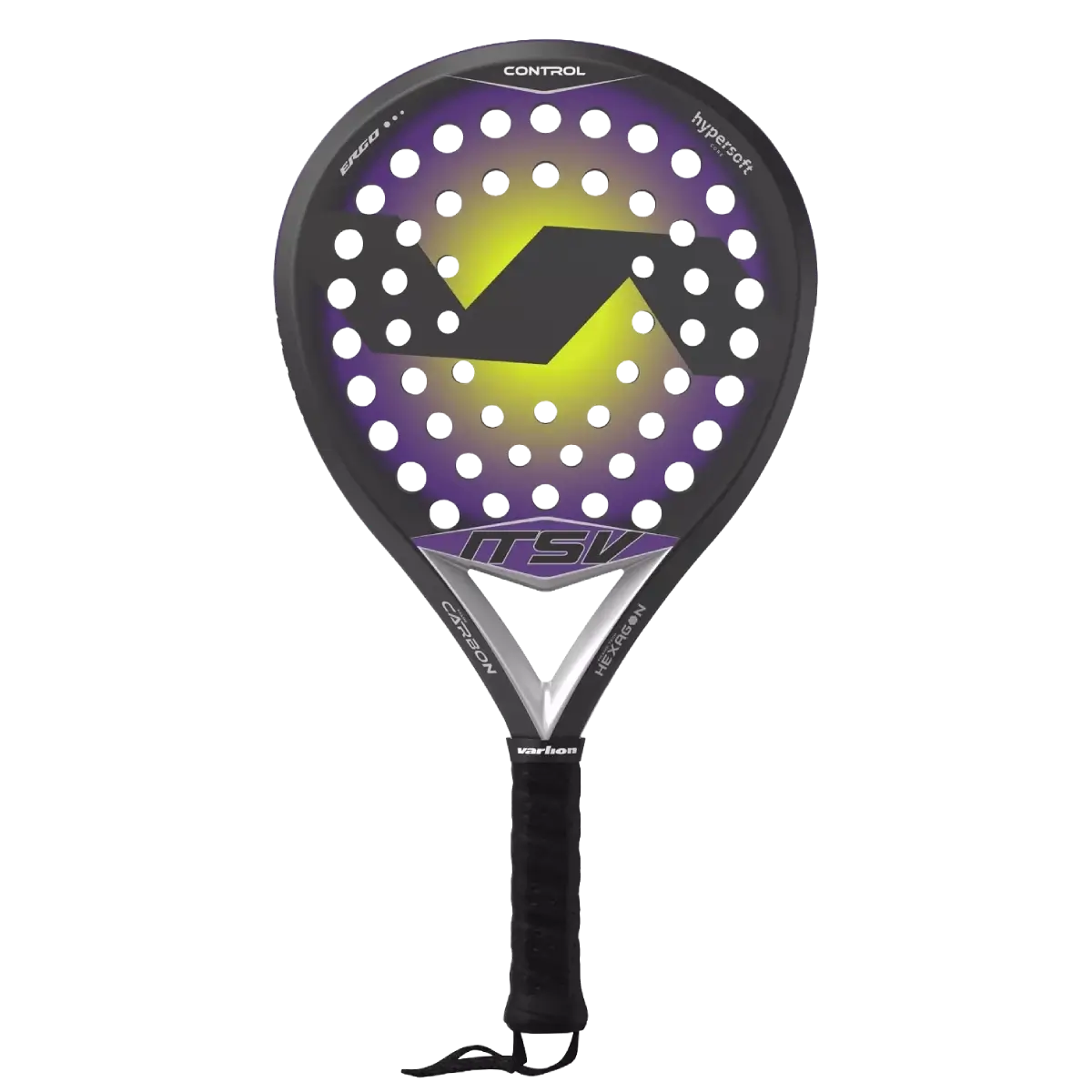 Varlion LW 8.8
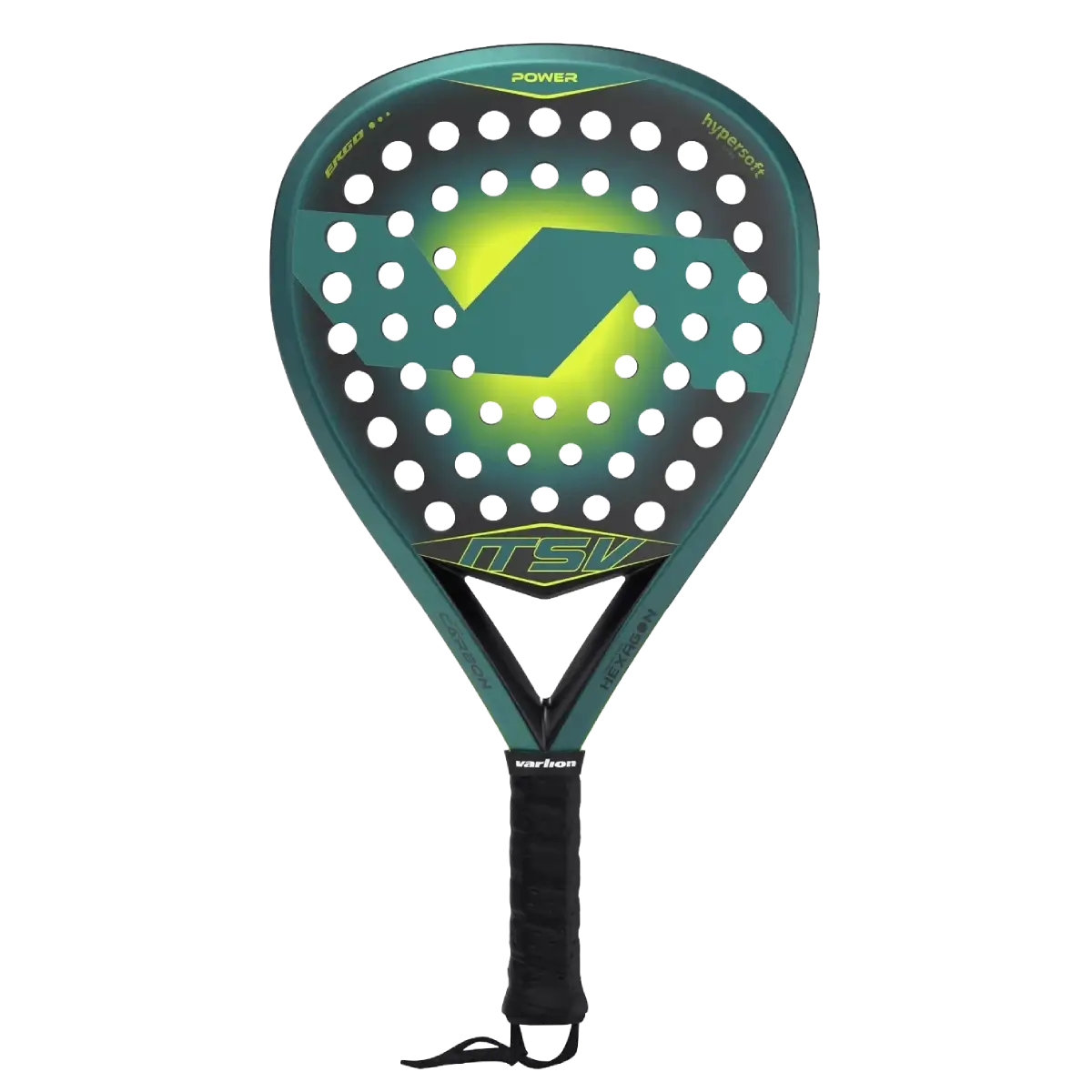 Varlion Bourne 8.8
Comparison with other brands
Babolat Counter Origin 2026: Both prioritize soft round control. Counter Origin is 345-365 g and confirmed at 26 cm, providing a broader traditional beginner platform. Orquidea has a lower maximum weight and a compact 12 cm handle.
Babolat Counter Vertuo 2.6: Counter Vertuo overlaps the weight range and easy rebound but includes a raised 3D Spin surface. It is stronger for assisted rotation. Orquidea is smoother, softer in concept and more purely defense-led.
Adidas Arrow Hit CTRL 2026: Adidas carries substantially more mass and Soft Performance EVA. It offers stronger passive blocks but slower recovery. Orquidea favors fast hands and reduced swing demand.
Wilson ENDURE LS V1 2026: Wilson is a 355 g adult control model with confirmed 25.5 cm balance and Exacttouch texture. It is more stable and spin-capable. Orquidea is lighter, softer and easier during compact defensive play.
70VarlionVarlion LW 8.8 OrquideaRound-class LW mould with subtle teardrop influenceShape340–355 gWeight range≈25.2 cmBalance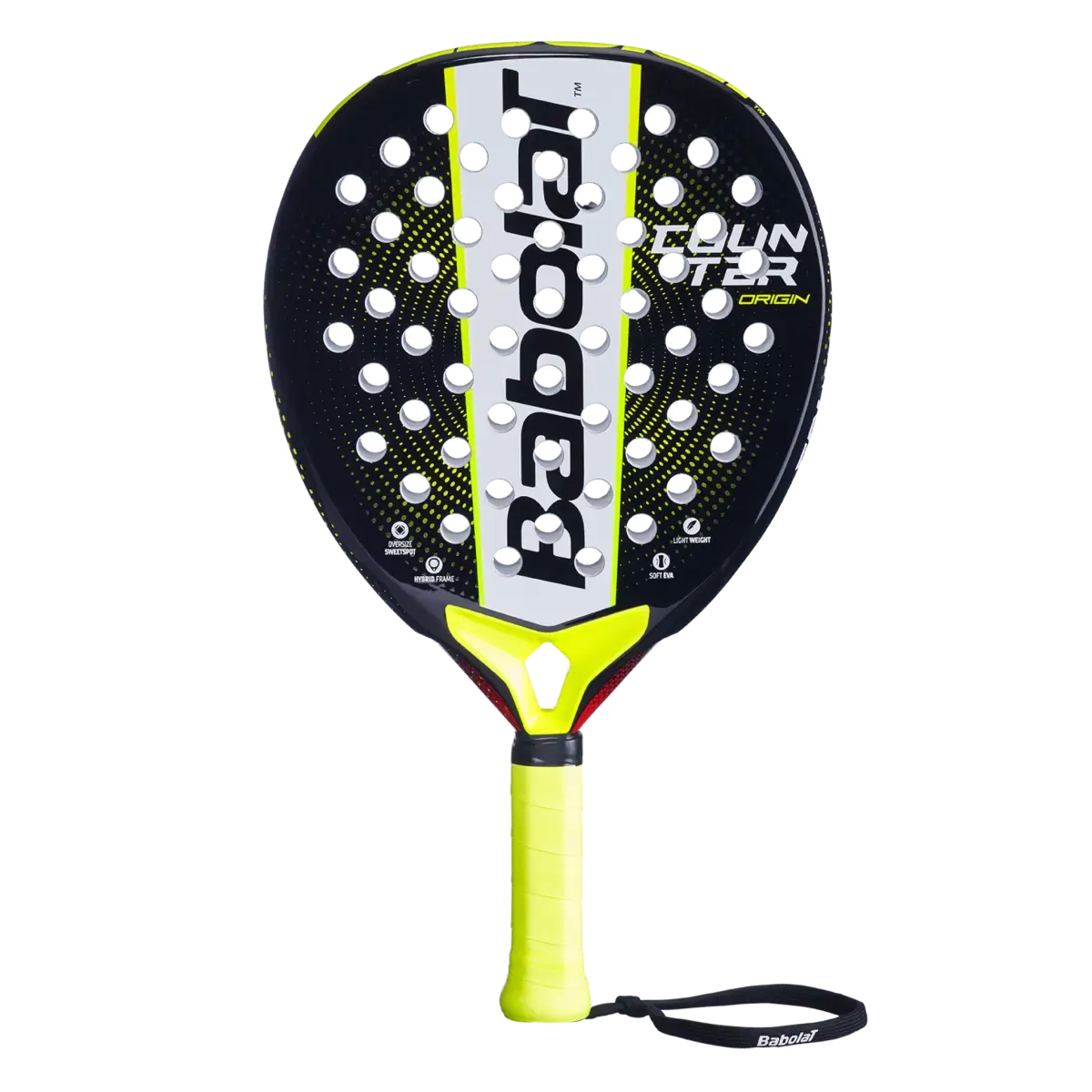 67BabolatBabolat Counter OriginRoundShape345–365 gWeight range26 cmBalance
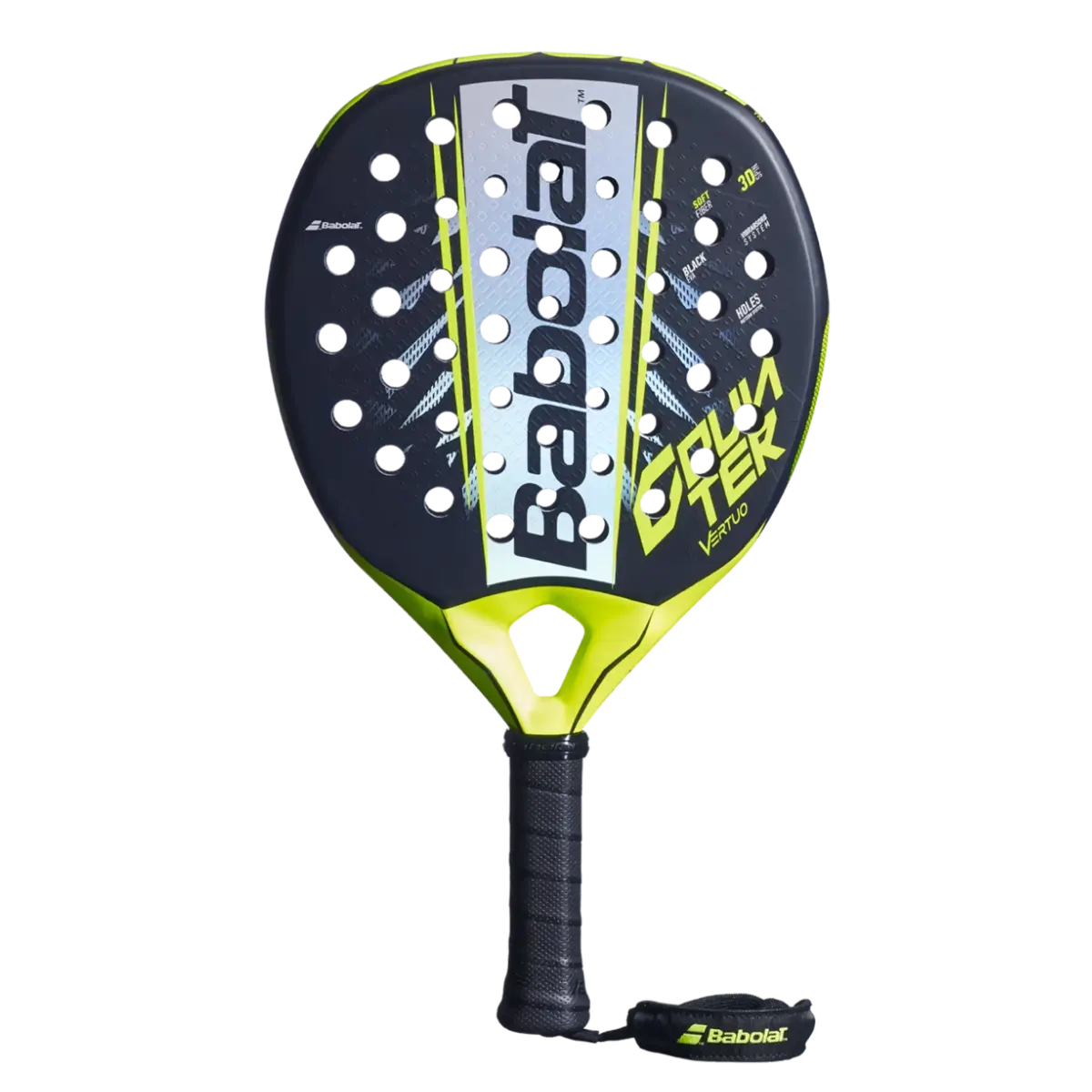 69BabolatBabolat Counter Vertuo 2.6RoundShape340–360 gWeight range26.5 cmBalance
Technical positioning and fit
Best for: beginners, improving intermediates, defensive right-side players and anyone prioritizing low static weight, soft contact and quick recovery.
Choose it if: you want easy depth and control without the direct warm-core response of standard LW 8.8.
Think twice if: you regularly face high pace, depend on rough texture for spin or need hard-volley precision.
Not best for: advanced smashers, heavy passive blockers and players who prefer a firm short-dwell release.
Solid shape = this racket.Dashed outline = average of every racket we have reviewed.
Varlion LW 8.8 Orquidea
Specifications
- Weight range
- 340–355 g
- Balance
- ≈25.2 cm
- Thickness
- 38 mm
- Shape
- Round-class LW mould with subtle teardrop influence
- Face material
- Fiberglass laminate with carbon reinforcement in the heart
- Core
- Soft Touch low-hardness EVA
Common questions
The LW 8.8 Orquidea is a soft, lightweight control racket in Varlion's ITSV line. Its 340-355 g range, round-class LW mould and mid-low balance prioritize maneuverability, defense and easy ball output.
This exact product, RACK250026015, belongs to the official 2024/2025 collection. Its collection identity remains 2024/2025 even when it is sold alongside newer models.
The balance is mid-low. Together with the 340-355 g range, it favours short preparation and fast recovery rather than heavy overhead leverage.
The Soft Touch core and fiberglass face give a soft, cushioned response with easy compression. That helps compact defensive strokes, but the same give becomes less exact against faster incoming balls.
Both share the same weight range, mid-low balance class, 12 cm handle and smooth fiberglass platform. Orquidea uses Soft Touch; the 2025/2026 standard model specifies a very hard core for temperatures above 25°C and feels more direct.
Yes. Its low static mass, soft response, central control geometry and accessible rebound suit beginners and improving intermediates who do not need adult competition-level stability.
Avoid it if you rely on hard volleys, heavy passive blocks, aggressive surface-generated spin or a high maximum-power ceiling. The soft lightweight construction reaches its limit under advanced pace.
Price alert
We check prices when we update our offers. Get one email when a verified price is below your threshold.
Player feedback
Player feedback is separate from our editorial review. Individual votes stay private — only the aggregate is published.
Thank you — your feedback is saved. You can revise it any time with Vote.
No player votes yet.
Questions & answers
No questions yet.