HEAD One Ultralight Review — 75/100
 Methodology
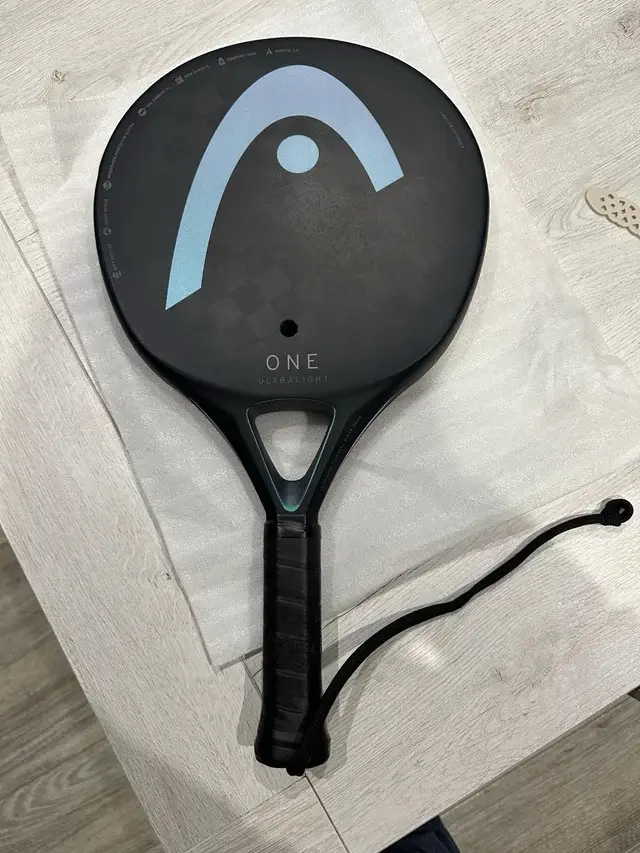
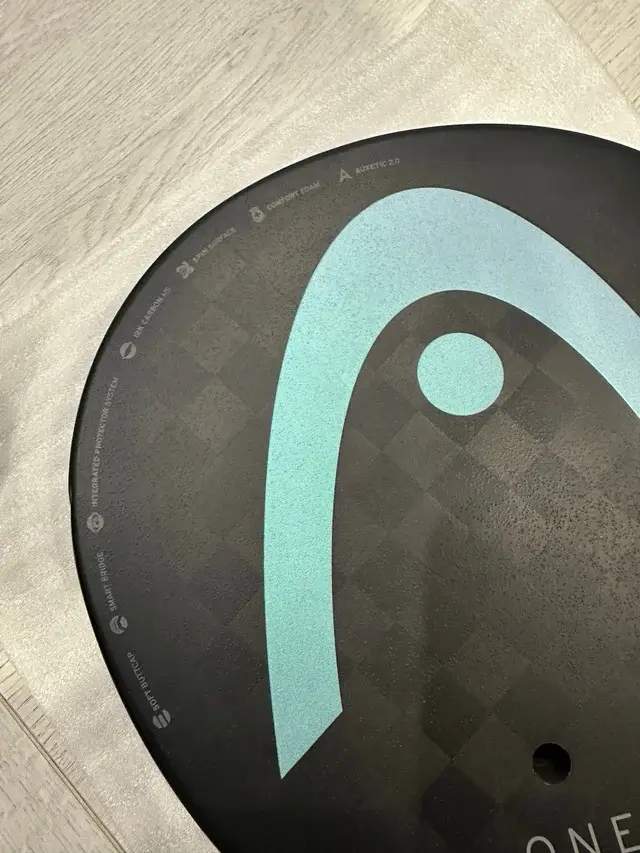
The HEAD One Ultralight is a highly specialized adult racket built around minimum mass rather than maximum output. Its nominal weight is 303 g, although the launch language often rounds that figure to 300 g. The round mould combines a 26.5 cm balance point, 12K Carbon face, Comfort FOAM, Spin Surface and HEAD’s single-hole construction. A 13.5 cm handle gives more room than the standard HEAD grip.
The immediate benefit is movement. Preparation is exceptionally fast in defense, around the body and during compressed net exchanges. The round shape and soft core create a large usable central zone, while the rough finish gives more spin support than most beginner rackets. The limitation is equally clear: 303 g cannot provide the passive stability, ball weight or flat-smash ceiling of a conventional 350–370 g adult frame.
At 303 g, the adult round setup makes preparation exceptionally easy. The 12K-carbon face and Comfort FOAM provide a useful central response without turning that very low mass into a heavy ball. It is strongest for defence and uncomplicated handling; passive blocks, punch volleys and flat-smash authority are the concessions.
Version and lineup identification
This is the current yearless HEAD One Ultralight, product code 225014. It launched in 2024 and remains one product identity in black and white colorways. HEAD does not identify a separate technical generation that would justify a 2025 or 2026 review page.
Within HEAD’s single-hole family, it is the accessible control-and-comfort model. Speed One and Extreme One use much more mass and firmer attacking constructions. One Ultralight keeps the distinctive continuous face but redirects the concept toward beginners, casual players and anyone who values an unusually low physical load.
HEAD One Ultralight — Technical specifications
Nominal weight excludes an overgrip, protector and customization. The 13.5 cm handle gives additional room for a two-handed backhand and a longer lever through overheads.
Construction and materials
The 12K Carbon face and Comfort FOAM core produce a soft, defined response rather than a hard power-racket impact. In this model, the carbon designation should not be read as a promise of a rigid tournament platform: the complete 303 g racket is built around easy movement and comfortable contact.
HEAD ONE uses a single hole instead of a conventional drilled field. The solid central sensation belongs to the complete construction, not to hole count alone. Spin Surface is a rough lacquered finish rather than a raised 3D pattern, giving the face more texture than a smooth beginner model.
How heavy the racket feels and where the mass sits.
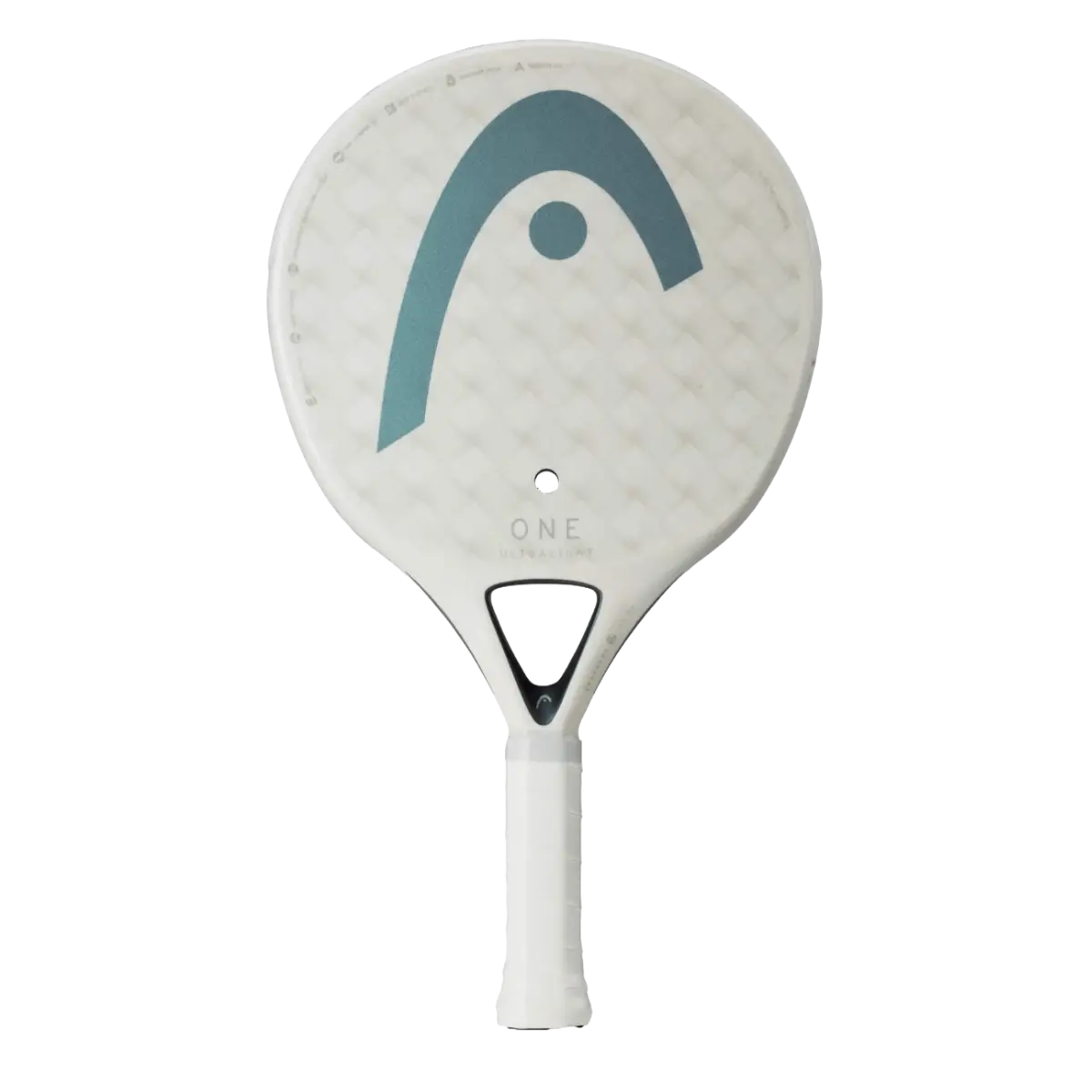
Balance point is shown from the available source evidence.
- Balance point26.5 cm24.5 cmavg 26 cm27.5 cmNeutral balance
- Static weight303 g340 gavg 365 g390 g
- Swing weight110.5 kg·cm² estimated110typical 128150
- Twist weight12.8 kg·cm² estimated11typical 1416
Shape and mould behavior
The round mould keeps the useful contact zone near the centre and spreads it laterally. It suits compact swings, late defensive preparation and players who do not yet strike the same point on every ball. The listed 26.5 cm balance gives the head some presence, but the extremely low mass keeps it easy to reposition.
The long handle also leaves room for a two-handed backhand without forcing the upper hand onto the throat. Together, accessible grip space and quick preparation make this an unusually easy adult racket to organize before contact.
Where this racket sits for stiffness and how easily the face gives power.
One UltralightStiffness, feel and comfort
The overall response is soft even though the face is 12K Carbon. Comfort FOAM and low structural mass dominate the contact, so the ball leaves with a calm, cushioned sensation rather than the hard snap associated with HEAD’s performance carbon rackets. The carbon layer adds definition, but it does not create a tournament-level rigid platform.
Comfort is one of the strongest reasons to choose this model. The player does less work to prepare and recover the racket, and imperfect central contact is not especially harsh. This is a statement about handling effort and impact feel, not a guarantee against injury.
Our scores against every racket we have reviewed.
- Comfort9 /100avg 7.3110Above average
- Spin7 /100avg 7.2210Near average
Sweet spot and forgiveness
The central sweet spot is large and easy to access. Round geometry gives more margin above, below and beside the ideal point, while low inertia helps the player arrive with the face square. In practical terms, many contacts improve simply because the racket is no longer late.
Sweet-spot size must be separated from torsional stability. A moderate miss can still leave with usable direction, but a hard outer-face impact exposes the lack of mass. One Ultralight is forgiving because it is easy to position and comfortable on contact; it is not rigidly forgiving against heavy pace.
Sweet spot- Core zone 8.5/10
- Shape Round
- Stability 6/10
Approximate high-tolerance zone for this mould and core.
Power and smash behavior
Easy power is adequate rather than exceptional. Comfort FOAM gives the ball useful depth at low and medium swing speed, and the light head can be accelerated quickly. Controlled overheads, bandejas and placement smashes are more accessible than the 303 g number suggests.
Maximum power is the weakest part of the design. A full swing still lacks the momentum and stable compression of Speed One, Extreme One or a conventional 365 g racket. Flat smashes lose weight, and the player cannot rely on the frame to drive through the ball. The correct expectation is effortless acceleration, not a high finishing ceiling.
Net performance under pace
Reaction speed at the net is exceptional. The racket moves from forehand to backhand rapidly, recovers after a volley almost immediately and lets a beginner prepare compactly instead of dragging the head through the exchange. Active touch volleys and quick redirections are natural strengths.
Passive blocking is less convincing. Against a hard incoming ball, the hand has to stabilize the face and guide the rebound. Punch volleys also lack the dense penetration of a heavier racket. One Ultralight wins time; it does not supply mass-driven authority.
Spin generation
Spin Surface gives genuine mechanical assistance on slice serves, bandejas, Viboras and controlled kick contact. The low weight also makes racket-head speed easy to create, so the player can learn the correct brushing path without fighting inertia.
The ceiling remains moderate because spin at high intensity also needs face stability. When contact moves away from the center or the swing becomes very aggressive, the 303 g platform can rotate and lose pressure. It offers more spin support than a smooth beginner racket, but it is not a heavy spin specialist.
Defensive output and depth
Defense is the defining phase. The racket drops below the ball quickly, opens after the glass without delay and helps the player react when contact is close to the body. Comfort FOAM provides useful rebound for lobs and resets, while the broad central zone reduces the penalty for imperfect timing.
At low and medium pace, depth is easy. Under heavier pressure, the player must accelerate through contact rather than rely on passive mass. The racket gives access to the ball and preserves technique; it cannot absorb every fast shot by itself.
Off-center stability
Moderate misses stay more coherent than the very low static weight might suggest. Central and near-central blocks retain useful direction, so the racket is not limited to perfectly centred touch shots.
Wide lateral contact is a different test. Under heavy incoming pace the face can rotate and lose depth, requiring the hand to provide more support. That is the important limit to weigh against its exceptional speed; a generous central sweet spot does not make a 303 g frame a passive blocking specialist.
Practical on-court takeaways
Choose One Ultralight when maneuverability is the non-negotiable requirement. It is particularly effective for beginners learning compact preparation, casual players who tire with conventional adult weight, coaches feeding for long sessions and players who value defense and placement above finishing power.
Think twice if you already hit through the ball with a complete advanced swing. Once passive stability, counter-volley weight and flat-smash output become central, the 303 g structure will feel limiting rather than liberating.
Comparison within the HEAD lineup
Speed One is the natural performance step. It keeps the single-hole idea but adds roughly 42 g, a teardrop mould and a firmer attacking response. Extreme One adds even more aggressive diamond geometry, harder contact and a higher power ceiling. Both are substantially more stable and demanding.
Gravity Team Light is the conventional round alternative: still light at 339 g, but much more substantial and passive on contact. Coello Vibe is heavier and more head-present, giving easier adult ball weight and overhead depth. One Ultralight remains the clear choice only when minimal mass is the priority.
Lineup comparison
HEAD One Ultralight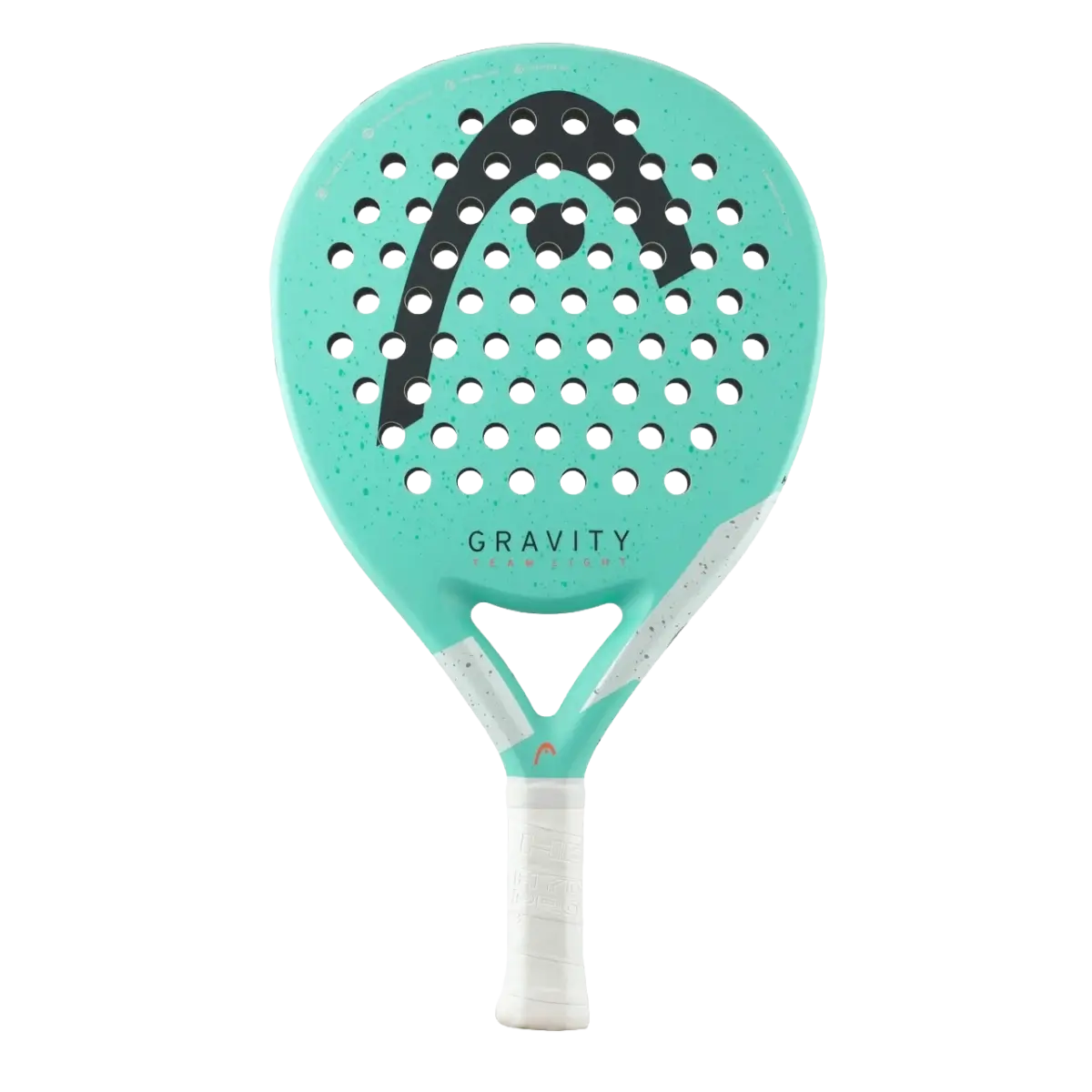 HEAD Gravity Team Light
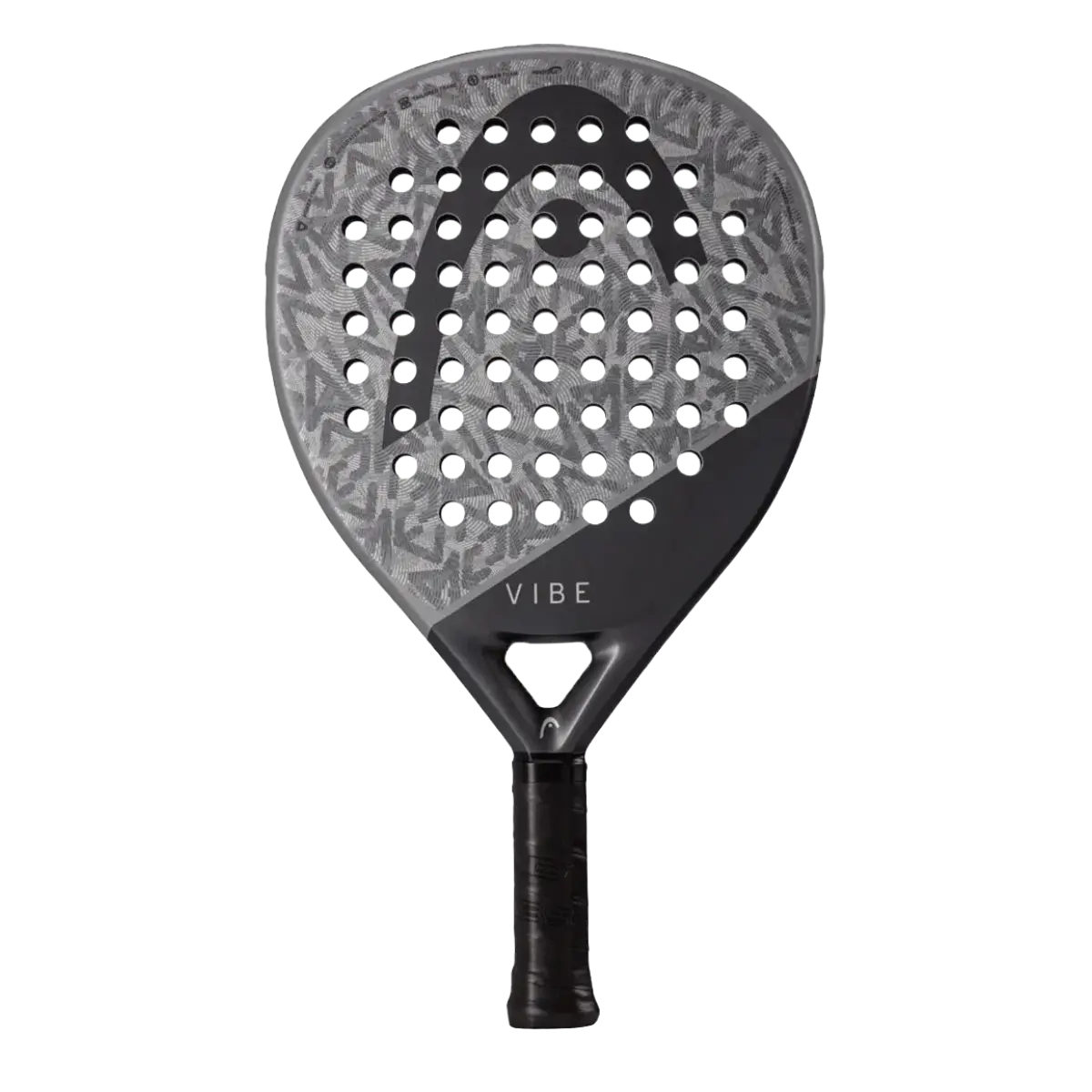 HEAD Vibe
Comparison with other brands
Babolat Air Origin is a light beginner teardrop with more conventional mass and stronger passive stability. Counter Origin is rounder and heavier, favoring a traditional control-and-forgiveness response. Adidas Arrow Hit CTRL provides a substantially heavier round platform, while Dunlop FX Lite moves toward a more conventional carbon-faced attacking setup.
None is as radical about weight. One Ultralight is the category outlier for players who need minimal static mass and very quick preparation, while the alternatives make more sense when normal adult mass is manageable.
75HeadHEAD One UltralightRoundShape303 gWeight range26.5 cmBalance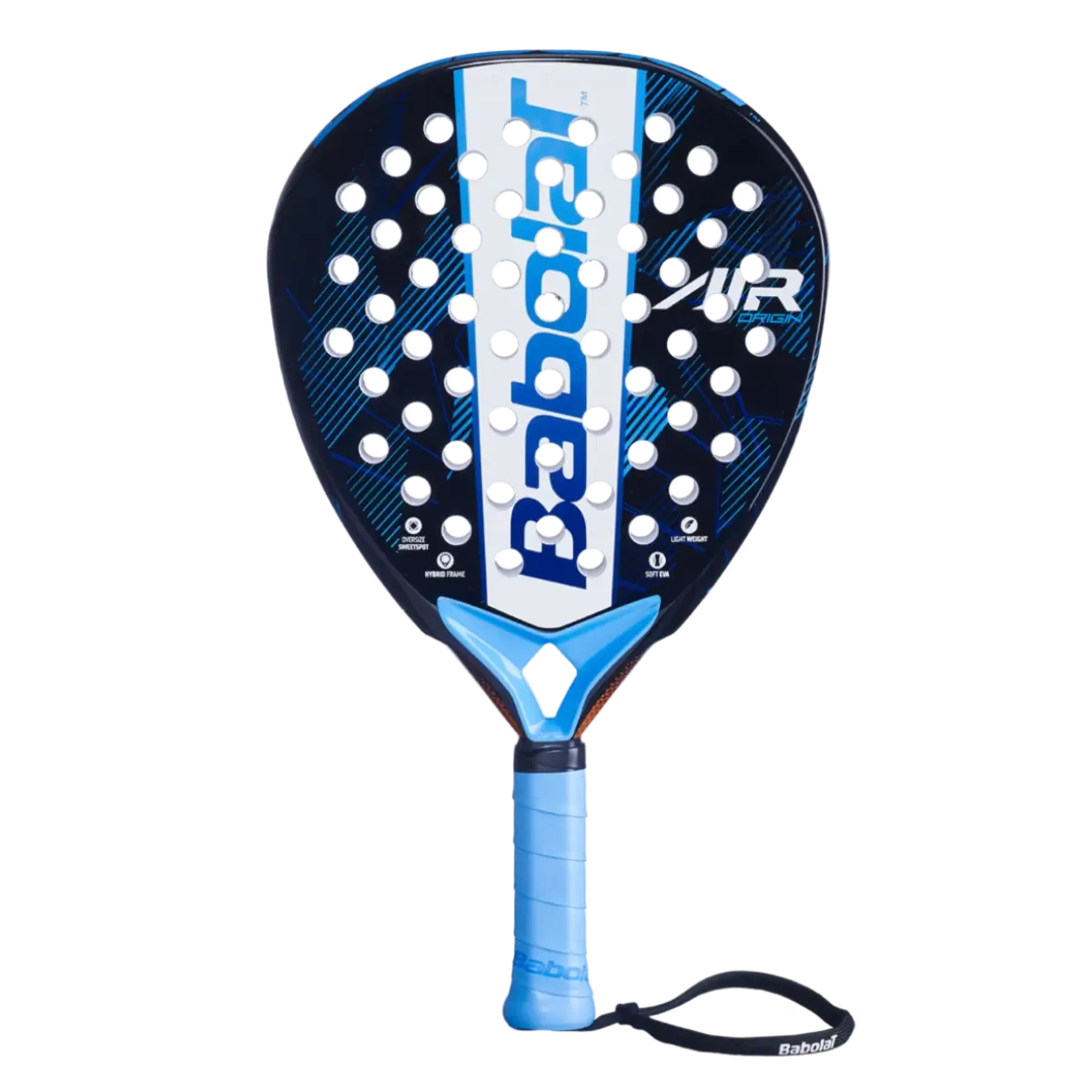 66BabolatBabolat Air OriginTeardropShape335–355 gWeight range26.5 cmBalance
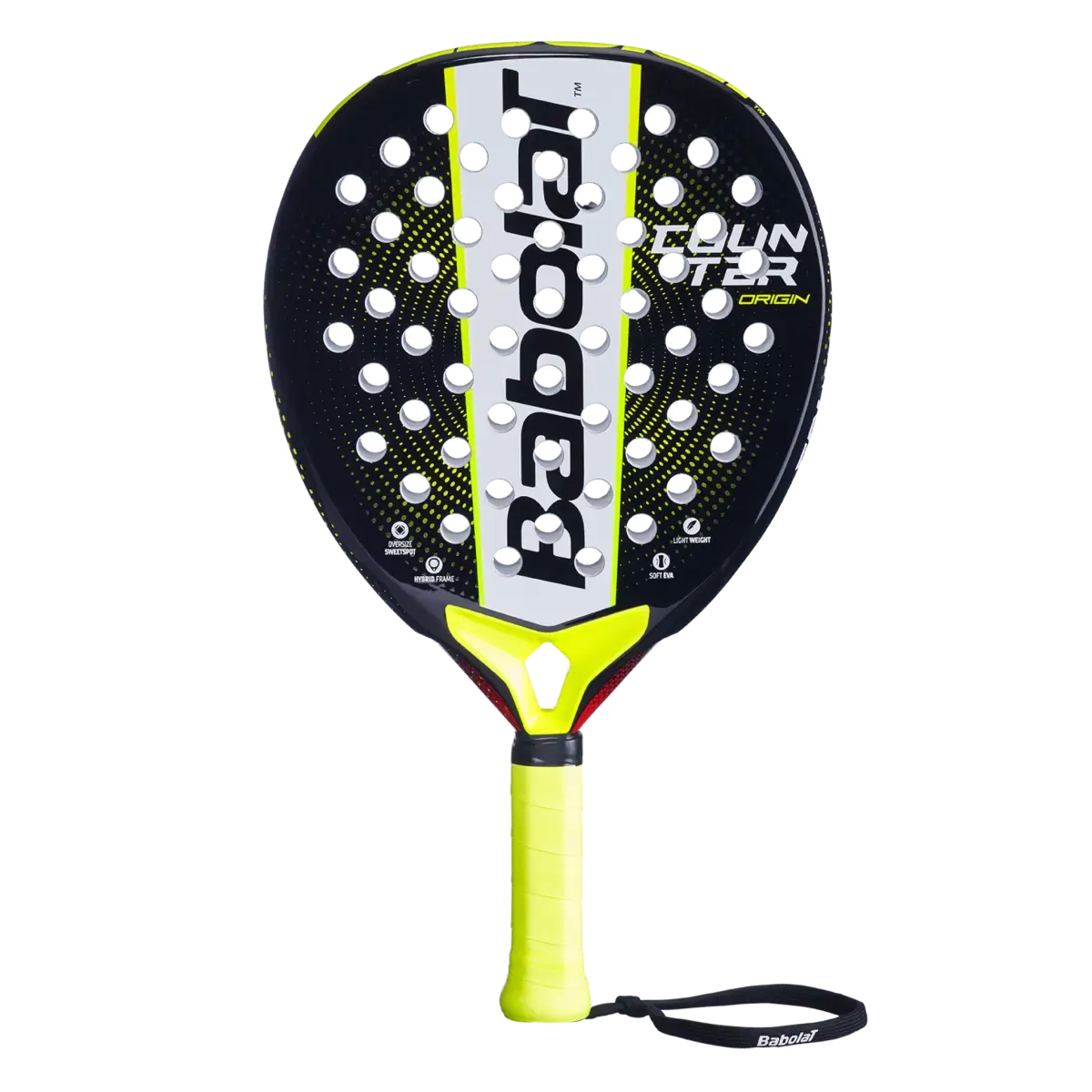 67BabolatBabolat Counter OriginRoundShape345–365 gWeight range26 cmBalance
Technical positioning and fit
Best for: Beginners, casual players, coaches and technique-first players who want exceptional maneuverability, a large central sweet spot and very low handling effort.
Choose it if: Conventional adult rackets slow preparation, create fatigue or make defensive contact consistently late.
Think twice if: You depend on passive blocks, heavy punch volleys or flat-smash momentum.
Not best for: Advanced power players, players who want a dense rigid impact, or anyone who already handles 350–370 g without losing technique.
Solid shape = this racket.Dashed outline = average of every racket we have reviewed.
HEAD One Ultralight
Specifications
- Weight range
- 303 g
- Balance
- 26.5 cm
- Thickness
- 38 mm
- Shape
- Round
- Face material
- 12K Carbon
- Core
- Comfort FOAM
Common questions
It is designed primarily for beginners and casual adults, but it also suits coaches and technique-first players who prioritize exceptional maneuverability and low fatigue.
The official nominal specification is 303 g. HEAD often rounds the positioning to 300 g, and actual ready-to-play weight changes with accessories and production tolerance.
It offers useful easy depth because the head accelerates quickly and Comfort FOAM rebounds well. Maximum power, flat-smash weight and punch-volley authority remain limited by the 303 g mass.
The handle is 13.5 cm, giving extra room for a second hand and a longer lever through overheads.
Yes. It uses Spin Surface, a rough lacquered finish that helps slice and topspin compared with a completely smooth beginner face.
Choose One Ultralight for maximum ease, comfort and defense. Choose Speed One for much stronger stability, precision and attacking output if you can manage about 42 g more weight.
Price alert
We check prices when we update our offers. Get one email when a verified price is below your threshold.
Player feedback
Player feedback is separate from our editorial review. Individual votes stay private — only the aggregate is published.
Thank you — your feedback is saved. You can revise it any time with Vote.
No player votes yet.
Questions & answers
No questions yet.